
Goal:
Configuration draft is like poetry, & everyone hates poetry…Cloudformation can assist in bringing the stack back in sync to the original template after IDing the drift.
Lessons Learned:
- Create CloudFormation Stack
- Terminate an EC2 instance for stack drfit
- Eliminate drift from stack
Create Key Pair:
- Before you get into the house, gotta have keys right?!
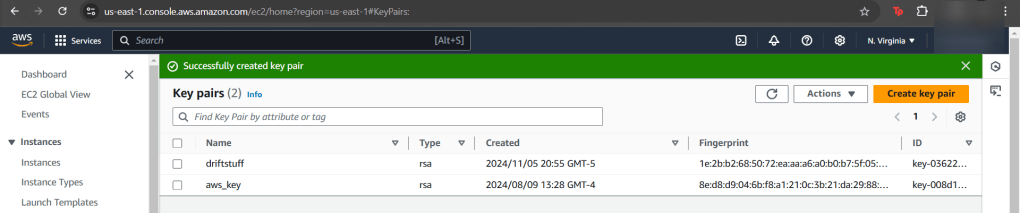
Create CloudFormation Stack:
- I think what AWS has in the “infrastructure composer” is sick, both options of “canvas” and “template” are so slick, also toggling between “YAML” & “JSON” is epic!

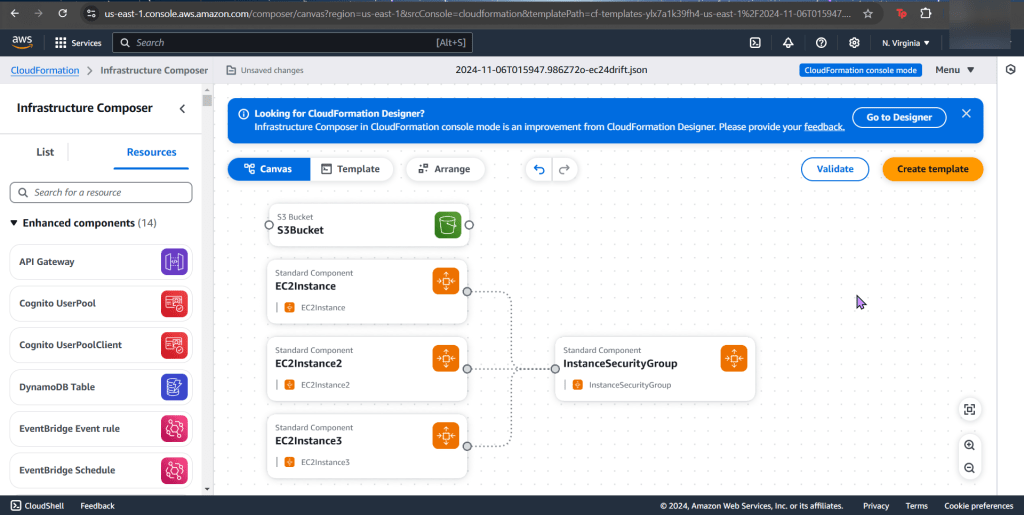
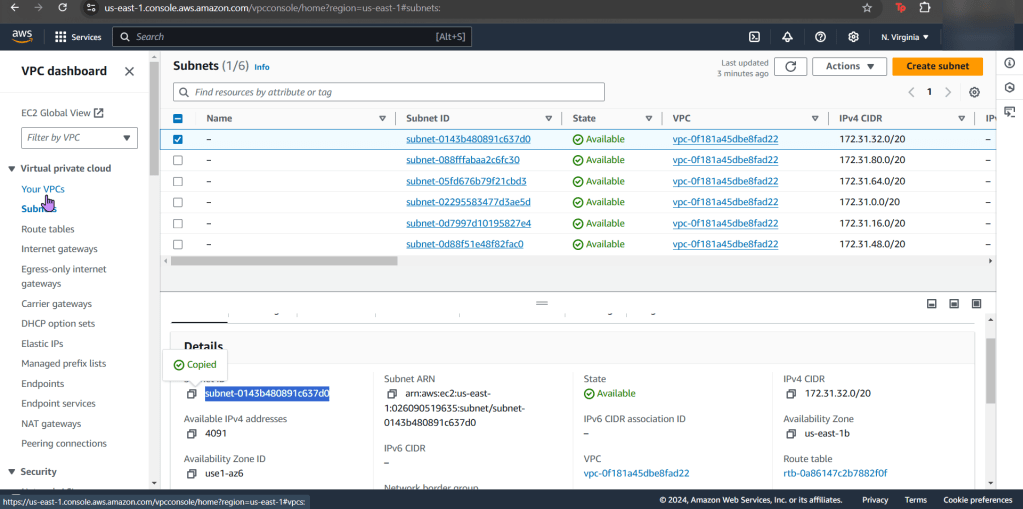
- After the template is created, go ahead & select your VPC as well as subnet of choice
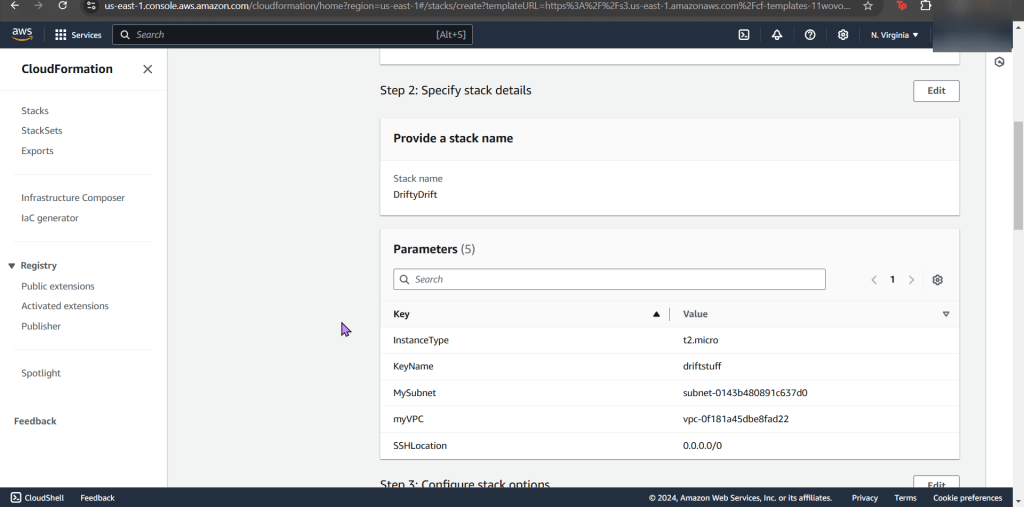
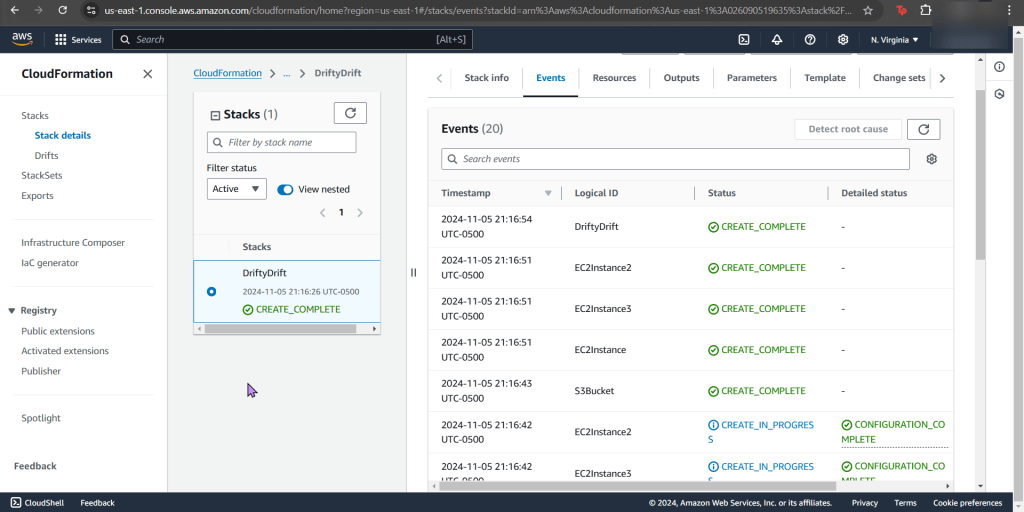
- Tahhhhh DAhhhhhhhhhhhhhhhhhh!!!!

Terminate an EC2 instance for stack drift:
- Annnnnd now its time to run some EVILLL experiments, muuhh-hahahaha… ahemm..
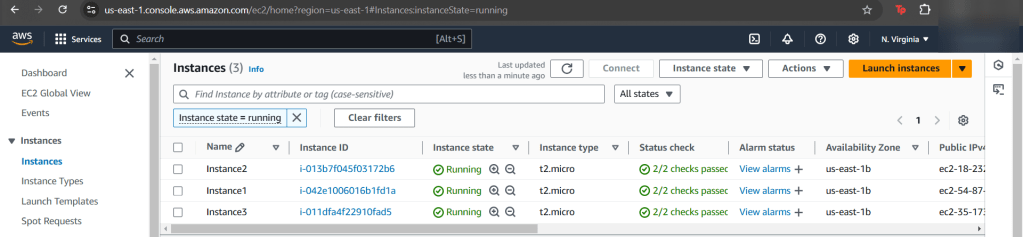
- Go to your EC2 instances
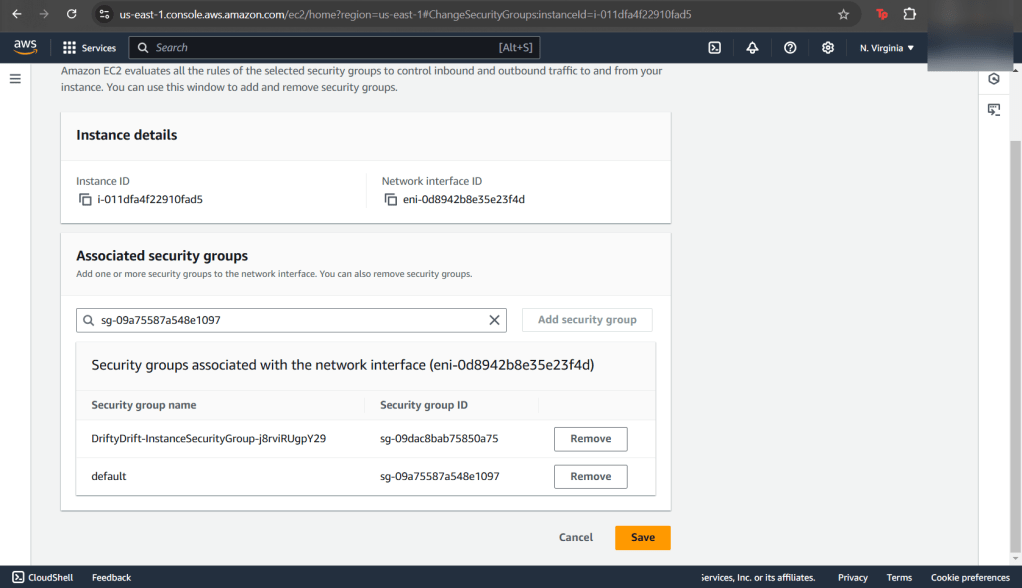
- Change instance 3 security groups
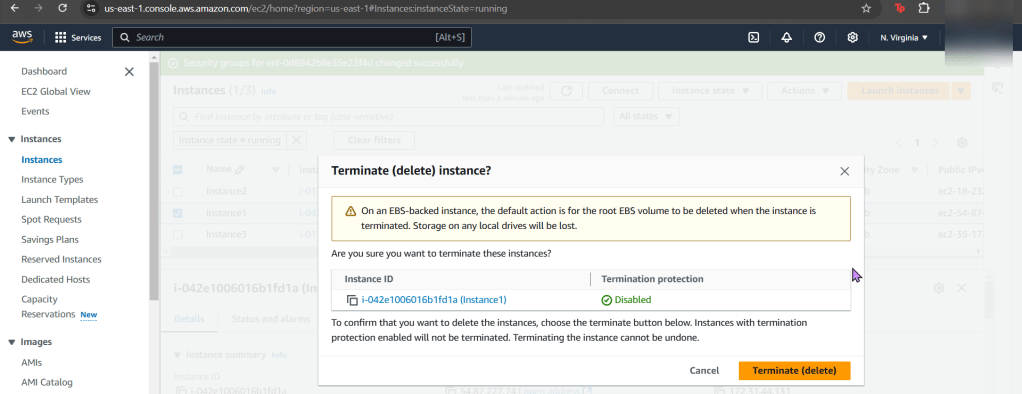
- Delete/Terminate instance 1!!
- Now edit your security group inbound rules
- Add HTTP & HTTPs
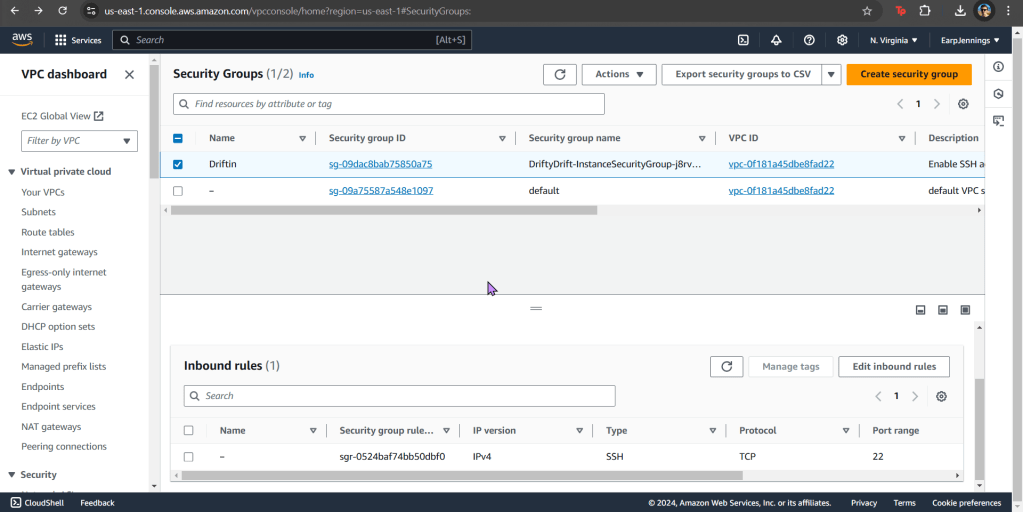
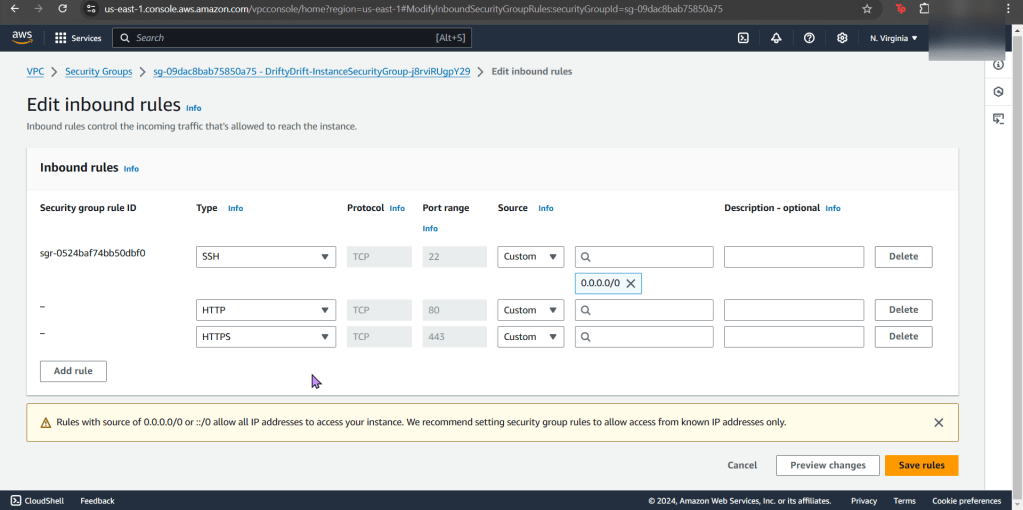
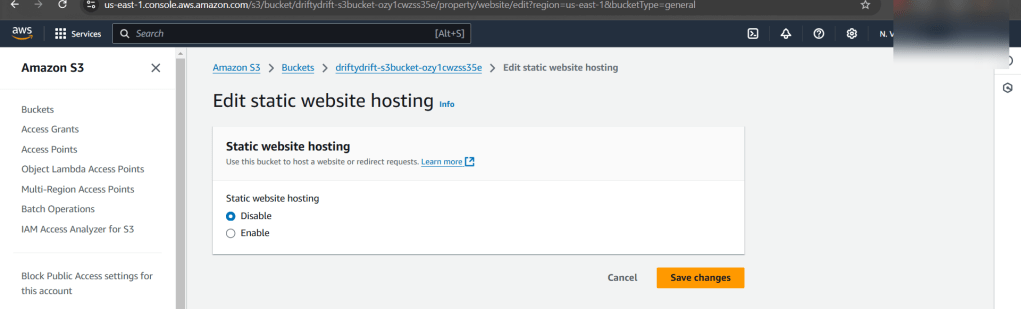
- Go to S3
- Detect drift on CloudFormation stack
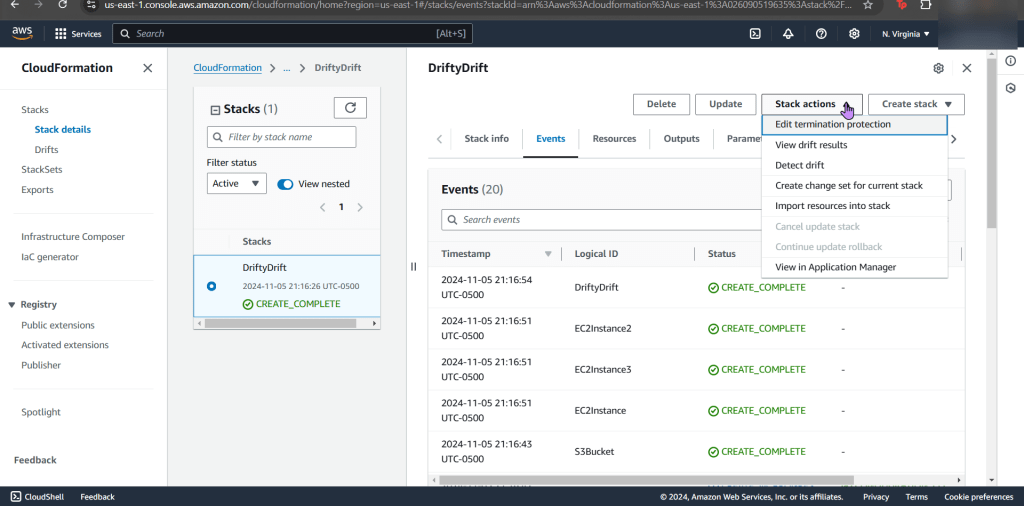
- You can see the details of your drift detection & compare the before/after
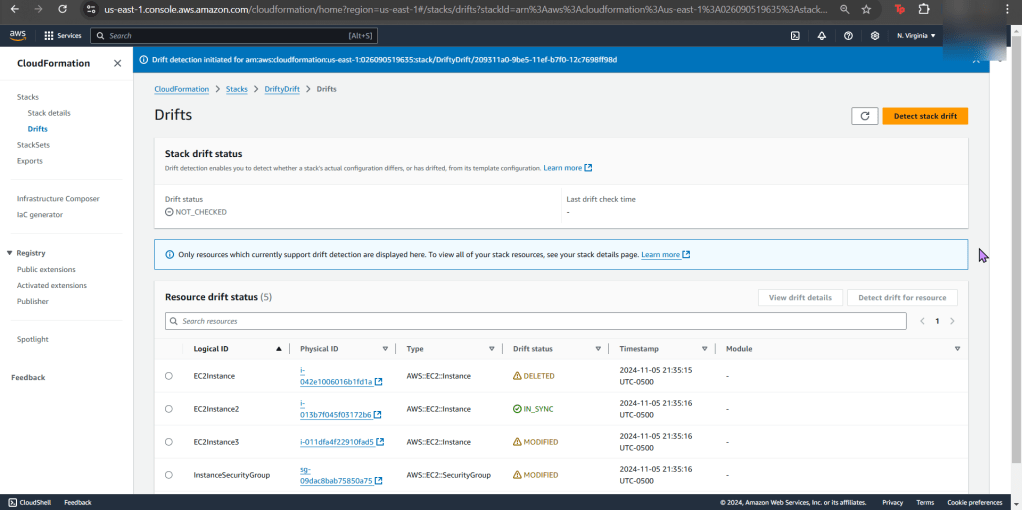
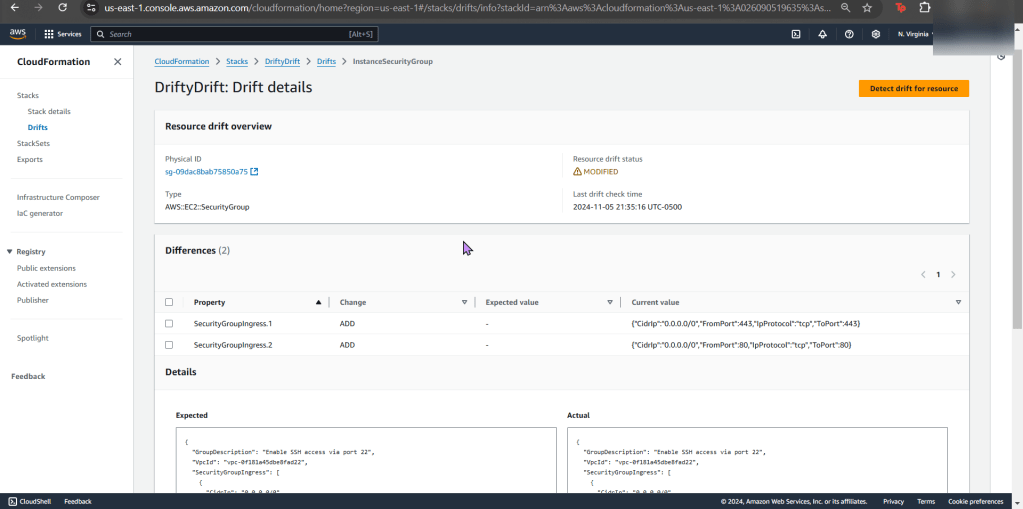
Terminate Drift on Individual Resource:
- Put the “afterdriftdetection” file in & prepare for re-upload
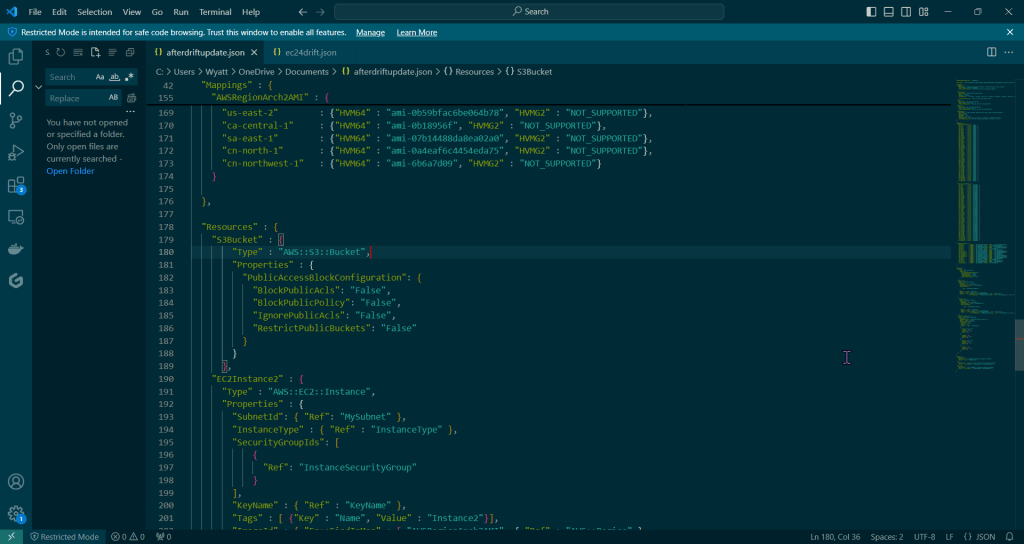
Update Stack to Eliminate Drift:
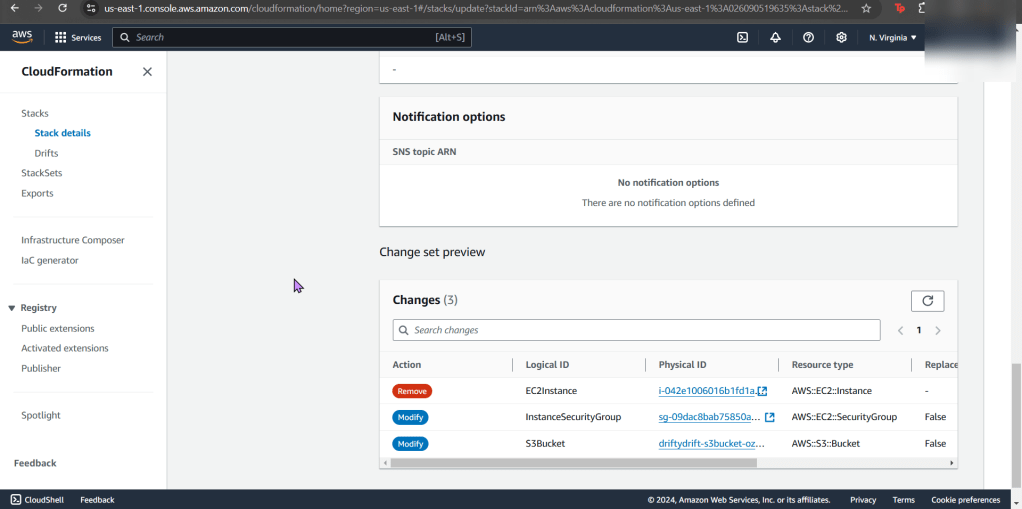
- Go giggles, you can manually re-add the security group and re-enable the s3 static web hosting… OR just upload the other file & see the magic happen.
- Cuz as as seen above, AWS tells you the difference for the drift & w/that code you can re-update the file for re-upload. #ohhhyeaaaaah
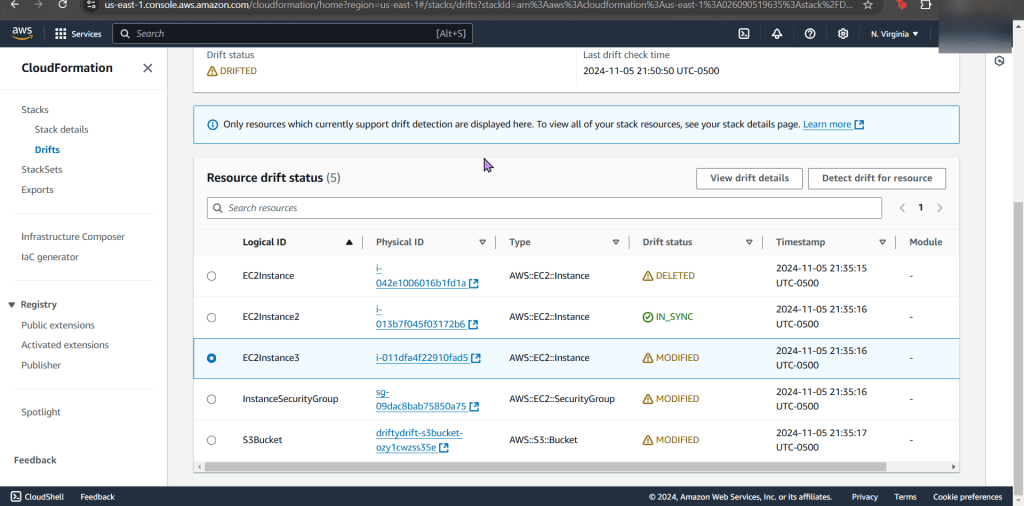
- Dont forget to delete your stack if your done, orrrr it will stay there – – – … 4Evahhhh
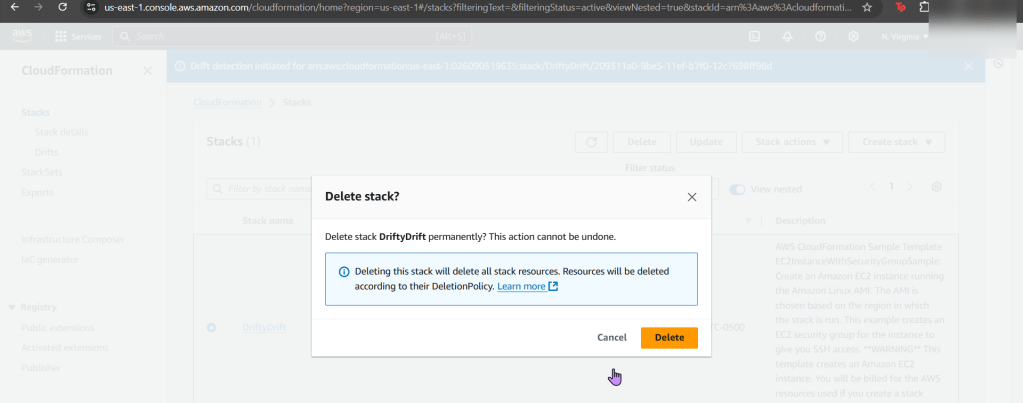

 Say When..