
Goal:
Stuff happen, so when it does – it is good to know what to do w/your Kubernetes cluster. The answer is – drum roll please… smoke testing, tahhh-dahhh! This is useful not just when stuff hits the fan, but to see if the known vulnerable features are working properly becuase the goal is to verify the health of the cluster.
Example of smoke tests of the Kubernetes cluster conducted will contain:
- Data Encryption
- Deployment
- Port Forwarding
- Logs
- Exec
- Services
Lessons Learned:
- Cluster Data Encryption
- Deployments Work
- Remote Access works w/Port Forwarding
- Access Container Logs w/Kubectl Logs
- Execute Commands inside the Container
- Services Work
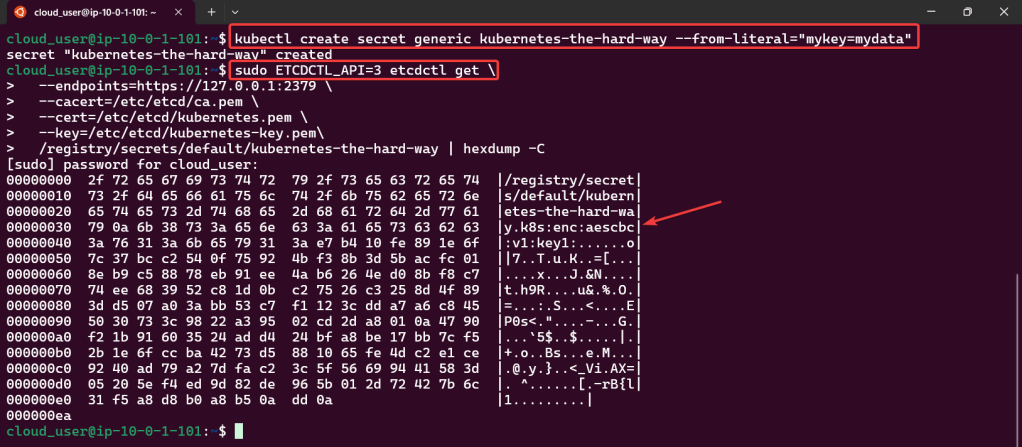
Cluster Data Encryption:
- Create test data for secret key
- Ensure secret key is stored
Deployments Work:
- Create & verify deployment

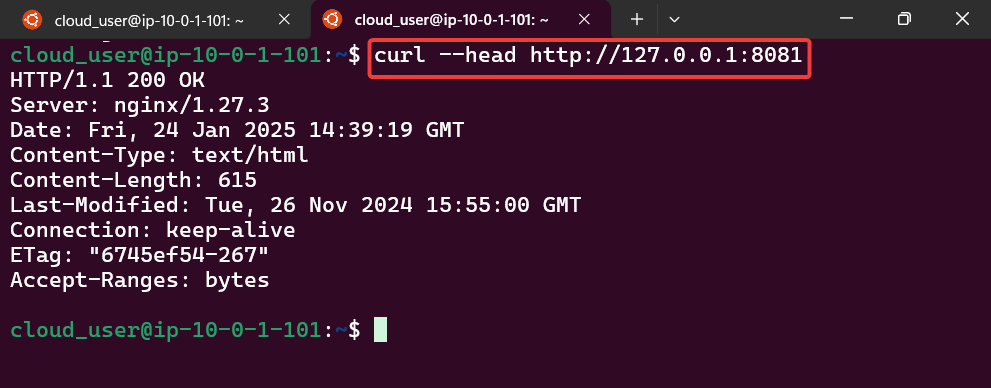
Remote Access works w/Port Forwarding:
- Snag that pod name & store in variable
- Forward port to nginx pod
- Open new terminal – – – & curl IP address/port

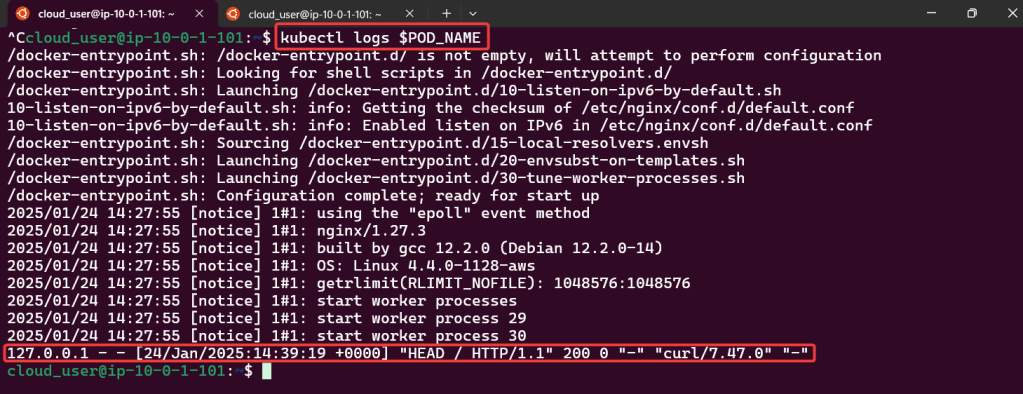
Access Container Logs w/Kubectl Logs:
- Get logs from nginx pod
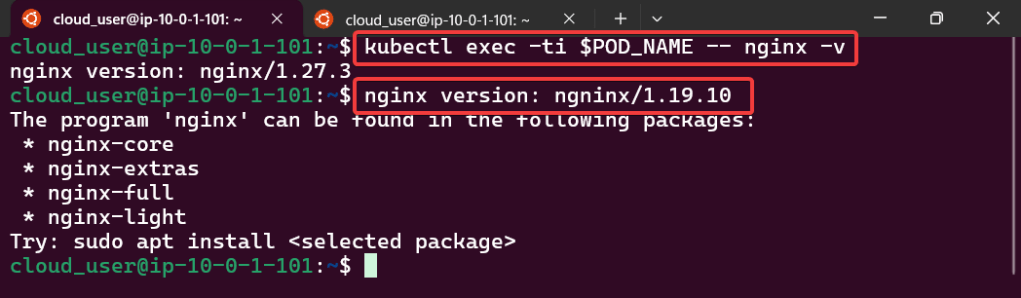
Execute Commands inside the Container
- Confirm you can run “exec” command & will see the version
Services Work:
- Test to see if service can be deployed
- Get node port from variable
- Curl IP address/port

 Say When..