Blog post includes covering K8s Automation, Telemetry, & Observability in preparation for the KCNA.
Helm Charts
Prometheus
Grafana
Probes & Kubelet
When Nodes Fail
Helm Charts: there magic simply put..conduct your standard linux practices & can navigate thru your helm chart install
# apt update && apt install -y git tree
# curl https://raw.githubusercontent.com/helm/helm/main/scripts/get-helm-3 | bash
# cd flappy-app
# vim Chart.yaml
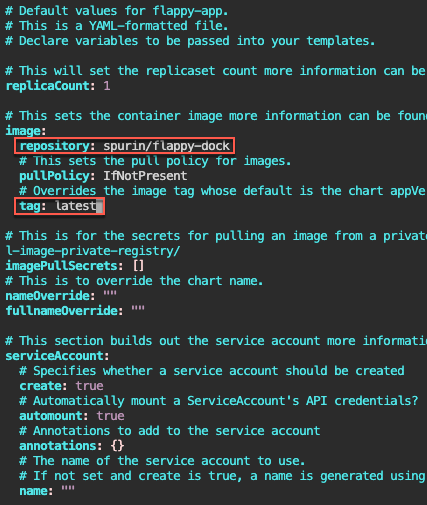
# vim values.yaml
# helm install flappy-app ./flappy-app-0.1.0.tgz
# export POD_NAME=$(kubectl get pods --namespace default -l "app.kubernetes.io/name=flappy-app,app.kubernetes.io/instance=flappy-app" -o jsonpath="{.items[0].metadata.name}"); export CONTAINER_PORT=$(kubectl get pod --namespace default $POD_NAME -o jsonpath="{.spec.containers[0].ports[0].containerPort}"); echo "Visit http://127.0.0.1:8080 to use your application"; kubectl --namespace default port-forward $POD_NAME 8080:$CONTAINER_PORT
# kubectl get deployment; echo; kubectl get pods; echo; kubectl get svc
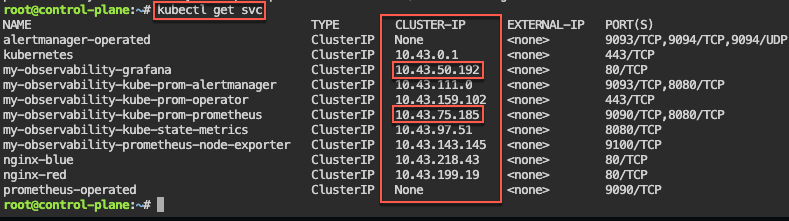
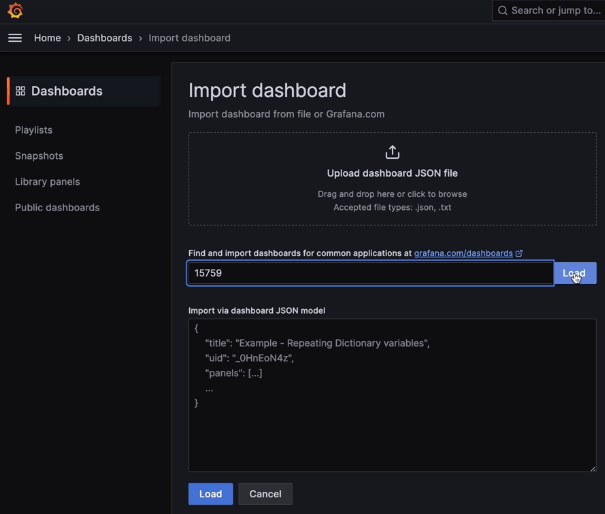
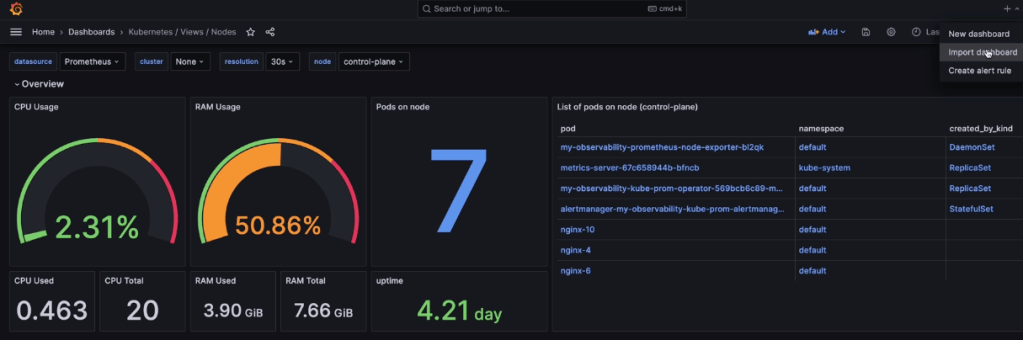
Prometheus & Grafana: 1st – add specific helm version for prometheus. 2nd – add nginx pod every 30 seconds. 3rd – then use cluster-ip to see the pods being added in prometheus & grafana.
# kubectl get all -A
# kubectl get svc
# for i in {1..10}; do kubectl run nginx-${i} --image=nginx; sleep 30; done
# helm uninstall my-observability
# kubectl -n kube-system delete service/my-observability-kube-prom-kubelet --now
When Nodes Fail:
Start as Healthy Nodes
Deployment
Stop kubelet & fail
Documentation informs us that we wait 5 minutes before posting as unknown & evicted
Grep to see pods moving from node to node
If a node stops reporting & taking pods… it becomes NotReady, existing workload continues if permitted, after 5 minutes the node controller evicts the pods onto healthy nodes, & can describe to see the status as unknown
Probes & The Kubelet:
Health Checks tell k8s what to do w/a container..
Liveness Probe
ARE YOU ALIVE!? if fails, kubelet restarts container
Readiness Probe
Ready for traffic? if fails, kubelet tells API to remove pod from svc endpt
Does NOT restart
Startup Probe
Kubelet checks if application is inside the container & started
If probe is running, liveness, & readiness checks are paused..once succeeds & probes take over
Blog post includes covering Kubernetes Deep Dive in preparation for the KCNA.
RBAC
Stateful Sets
Security
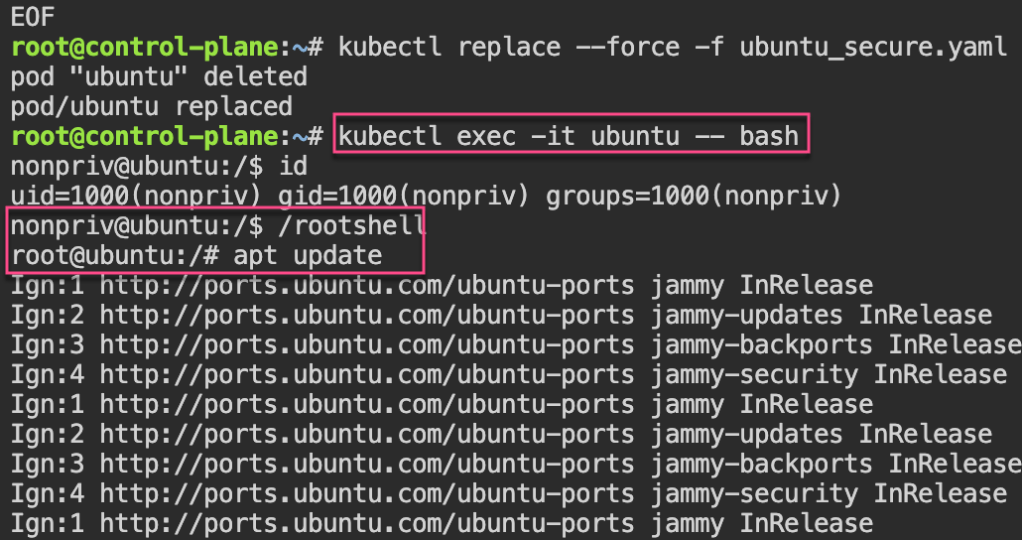
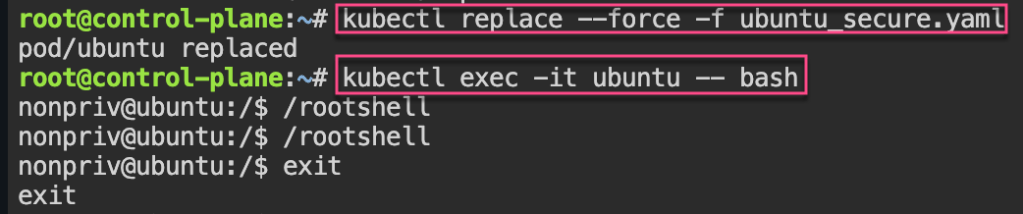
Security: 1st – create yaml file for ubuntu & can shell into root. 2nd – update spec for non-priv user & can escalate priv, 3rd – add spec to not allowed in escalating priv.
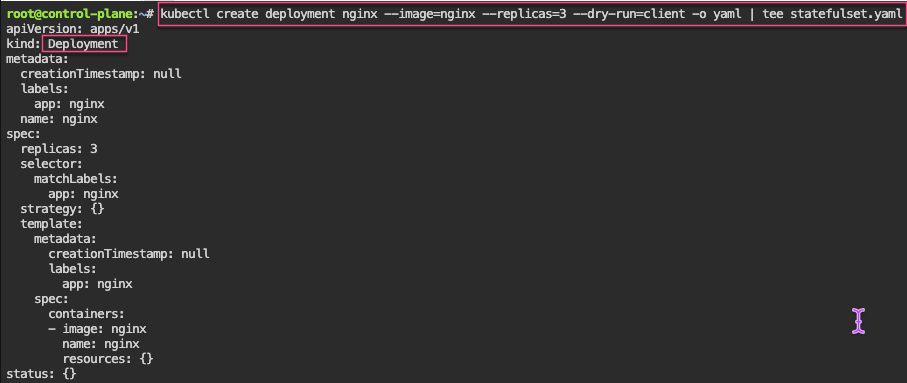
# kubectl patch statefulset/nginx -p '{"spec":{"updateStrategy":{"rollingUpdate":{"partition":2}}}}'
# kubectl set image statefulset/nginx nginx=nginx:alpine && kubectl rollout status statefulset/nginx
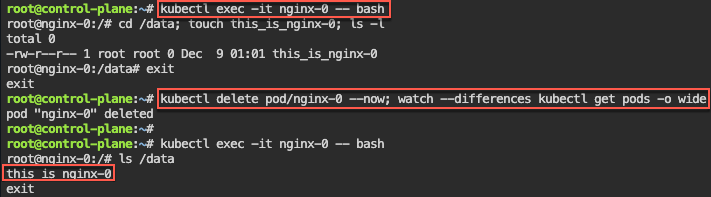
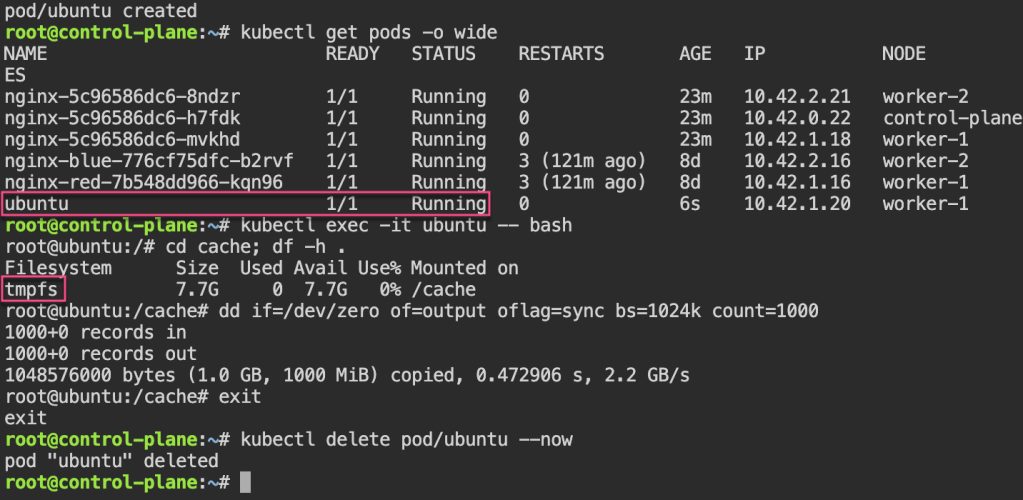
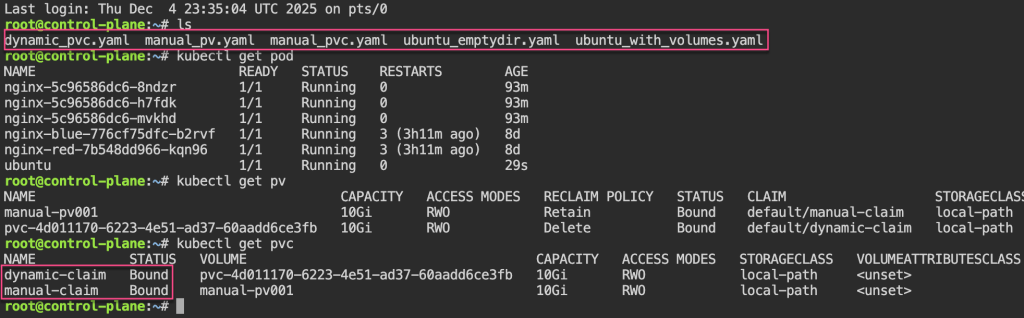
Persistent Storage: 1st – update yaml spec for volume mount. 2nd – shell into pod, create a note. 3rd – delete the pod & watch to spin back up, shell back into see the note.
apt update && apt install -y git jq
git clone https://github.com/spurin/simple-kubernetes-scheduler-example.git
cd simple-kubernetes-scheduler-example; more my-scheduler.sh
# ./my_scheduler.sh
🚀 Starting the custom scheduler...
🎯 Attempting to bind the pod nginx in namespace default to node worker-2
🎉 Successfully bound the pod nginx to node worker-2
# kubectl get pods -o wide
NAME    READY   STATUS    RESTARTS   AGE   IP          NODE       NOMINATED NODE   READINESS GATES
nginx   1/1     Running   0          28s   10.42.2.3   worker-2   <none>           <none>
Node Name: change spec to nodename specific area & notice variance of spec usage
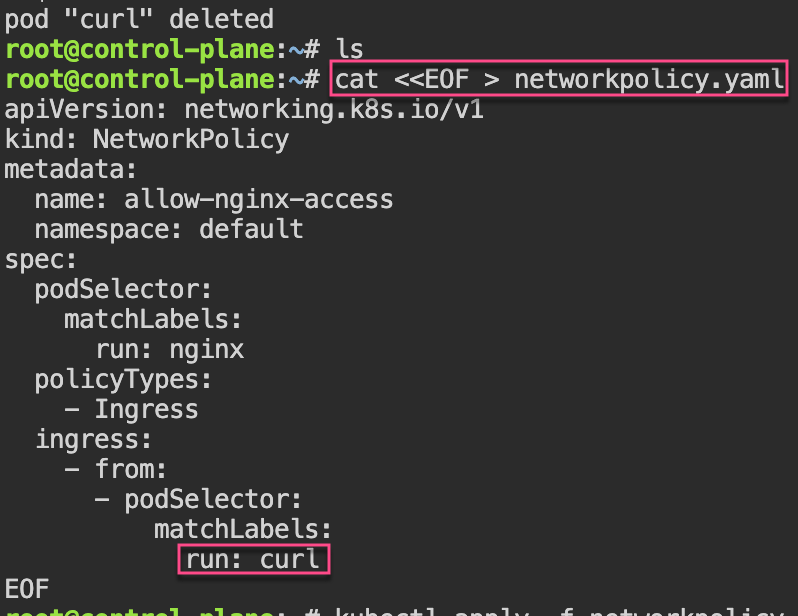
Network Policies: 1st – create pod, expose port, & curl to see access. 2nd – policy to restrict access w/label…cant access now..
# kubectl run nginx --image=nginx
# kubectl expose pod/nginx --port=80
# kubectl run --rm -i --tty curl --image=curlimages/curl:8.4.0 --restart=Never -- sh
# curl nginx.default.svc.cluster.local
If you don't see a command prompt, try pressing enter.
~ $ curl nginx.default.svc.cluster.local
<!DOCTYPE html>
<html>
<head>
<title>Welcome to nginx!</title>
<style>
html { color-scheme: light dark; }
body { width: 35em; margin: 0 auto;
font-family: Tahoma, Verdana, Arial, sans-serif; }
</style>
</head>
<body>
<h1>Welcome to nginx!</h1>
<p>If you see this page, the nginx web server is successfully installed and
working. Further configuration is required.</p>

<p>For online documentation and support please refer to
<a href="http://nginx.org/">nginx.org</a>.<br/>
Commercial support is available at
<a href="http://nginx.com/">nginx.com</a>.</p>

<p><em>Thank you for using nginx.</em></p>
</body>
</html>
~ $ exit
pod "curl" deleted
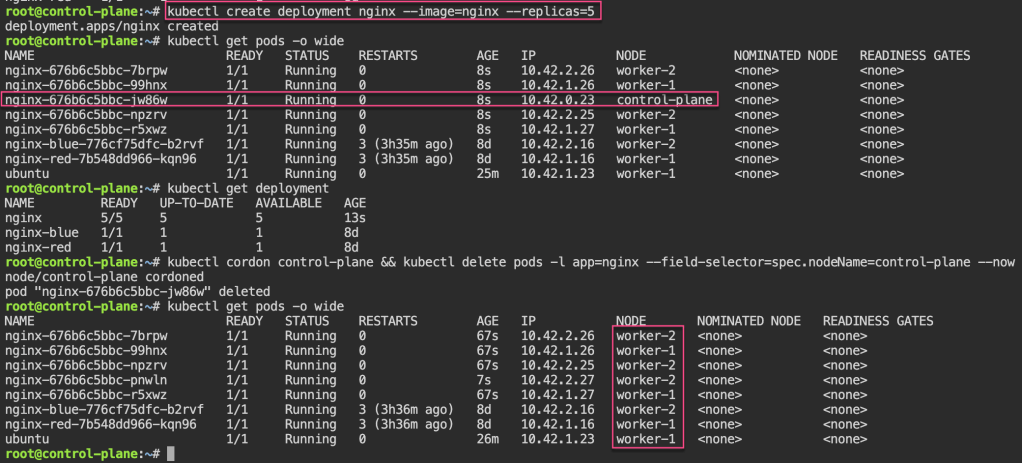
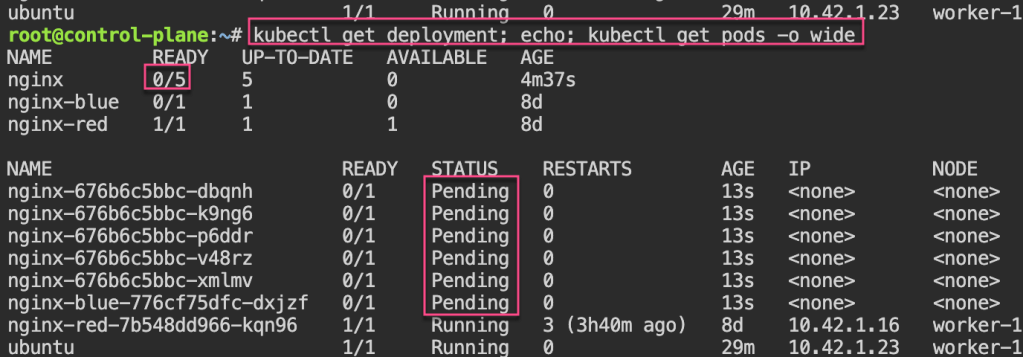
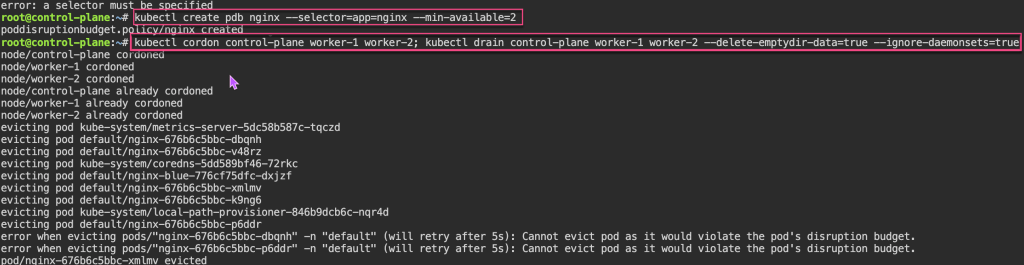
Pod Disruption Budgets: 1st – create replica-set deployment, & cordon node. 2nd – drain to now notice disruption cuz control-plane & worker-1 are “protected” & you all worker-2 nodes are empty. 3rd – uncordon. 4th – create PDB, & notice cant cordon or drain more than the PDB created.
DO YOU HAVE A KUBERNETES CLUSTER! IS IT INSECURE!? …. I’m out of breath & getting dizzy, Idk how those commercials bring that outside voice & energy – – its exhausting!
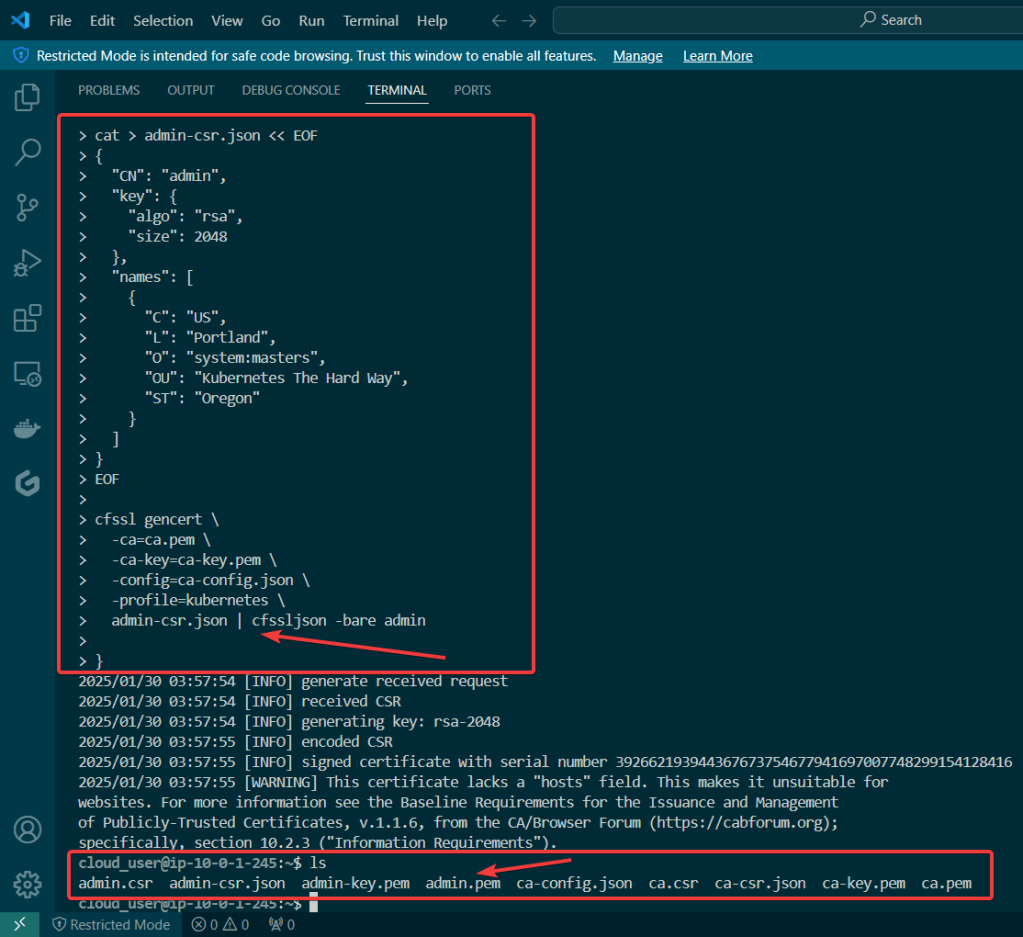
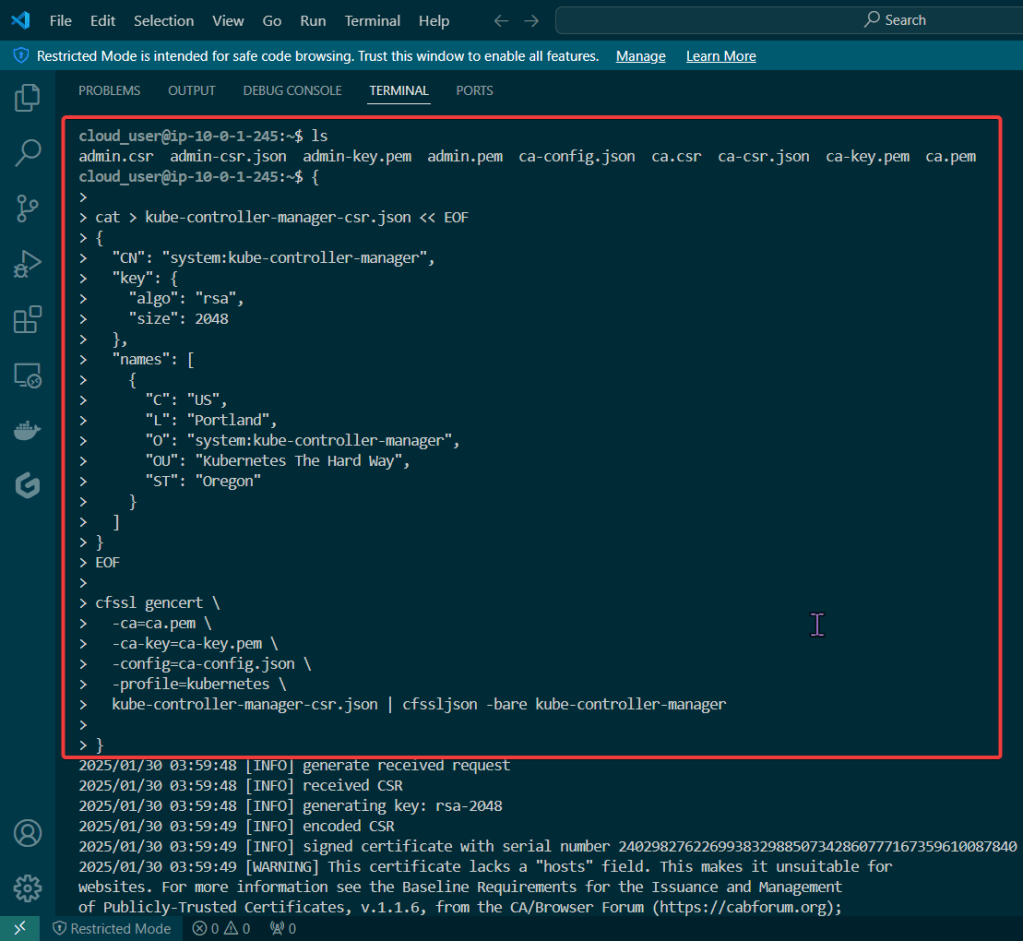
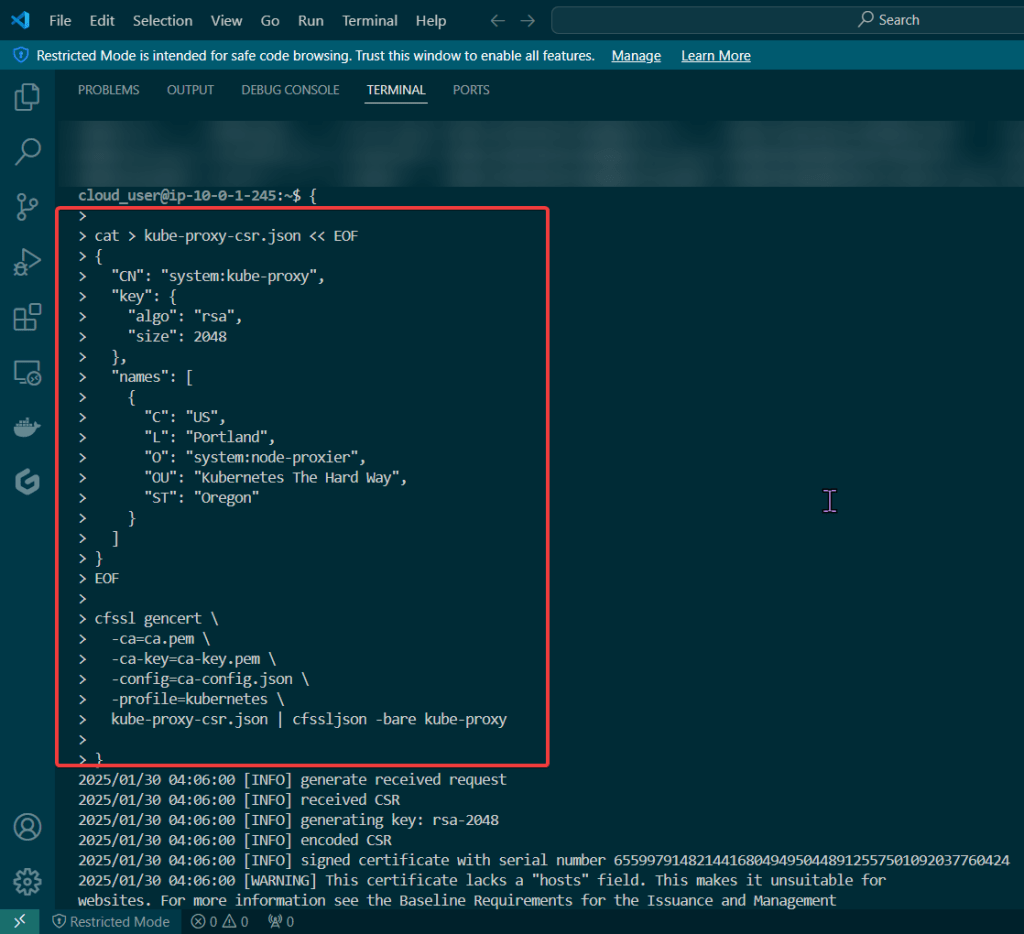
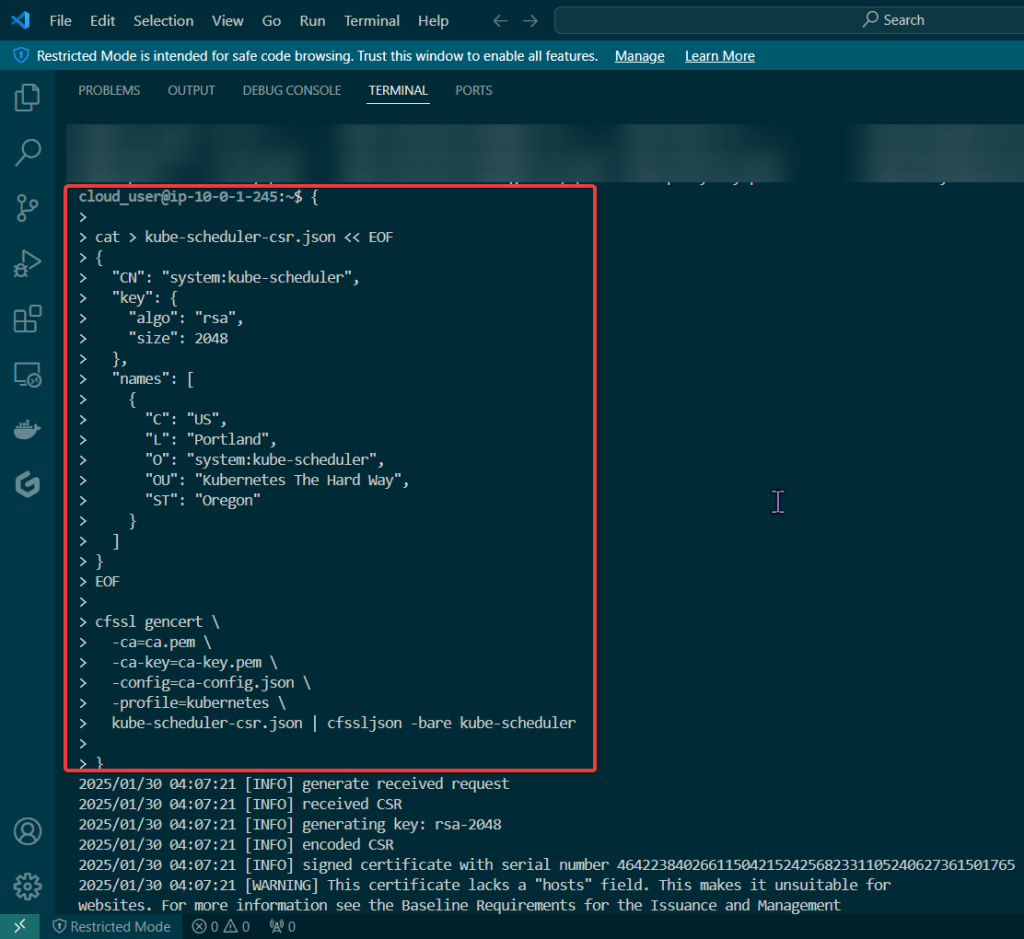
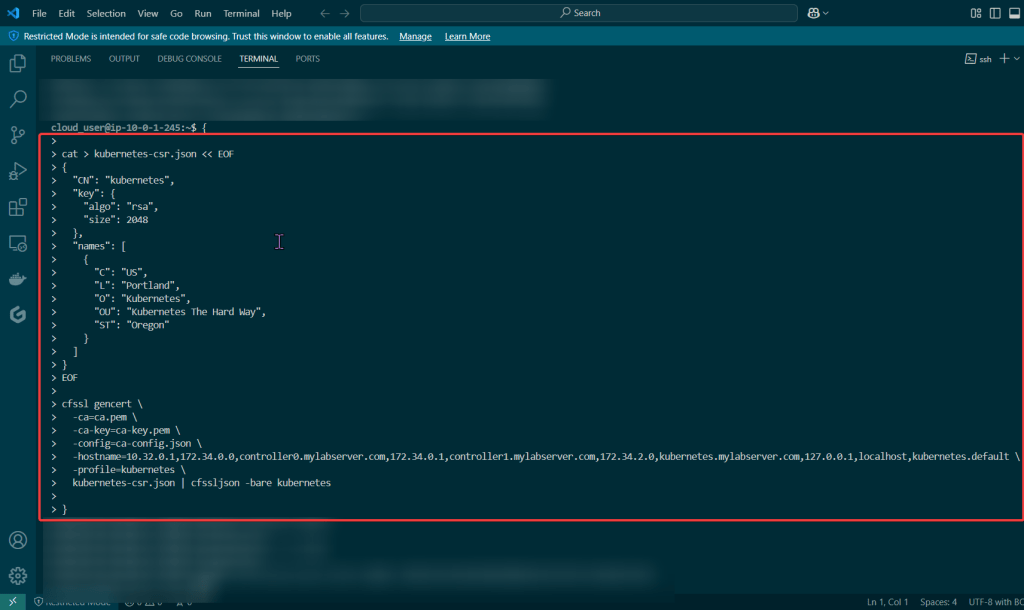
Alright, I’m back – all this will show you is how to secure your cluster. Below you can see how one can authenticate w/one another’s Kubernetes after you have a certificate & attach a certificate authority (CA) by creating certificate’s to bootstrap your Kubernetes cluster.
Please note – there are two (2) controllers, two (2) workers, & an Kubernetes API Load Balancer
Lessons Learned:
Permit/Provision CA
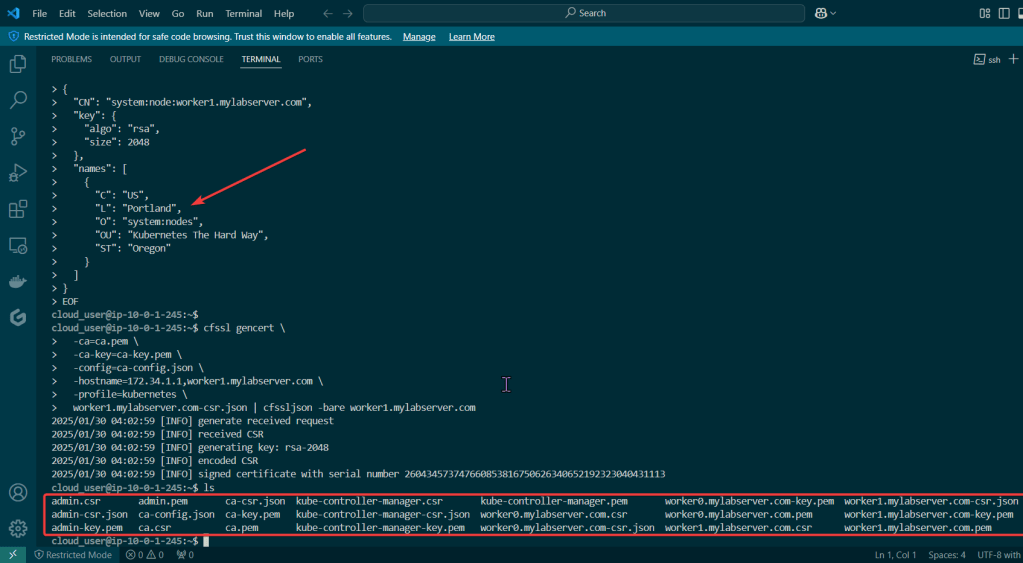
Create Kubernetes client certs & kubelet client certs for two (2) nodes:
Admin Client Certificate
Kubelet Client Certificate
Manager Client Cert
Kube-Proxy Client Certificate
Kube-Scheduler Client Certificate
Kubernetes API server certificate
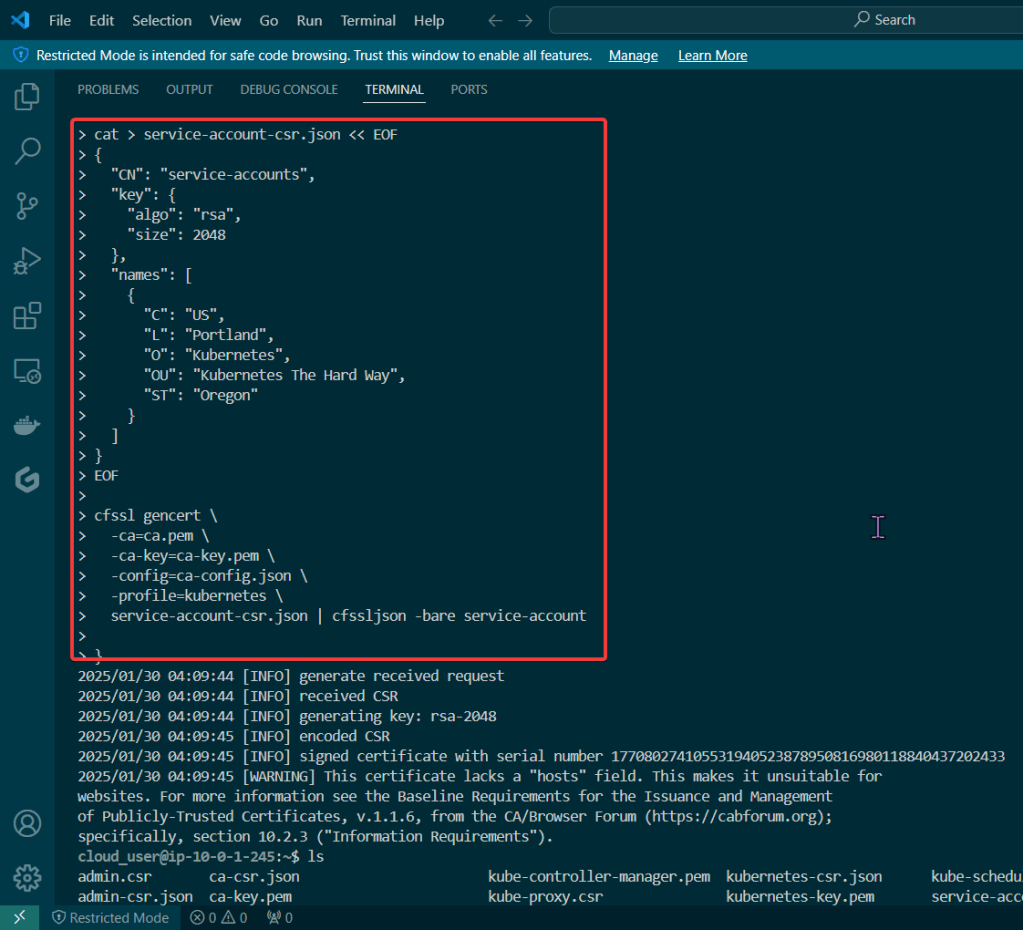
Kubernetes service account key pair
If you follow these lessons learned, you will not let this happen to you – don’t be Karen.
Permit/Provision CA:
Created to sign other certificates & other certs can now use the CA to show legitness (its a word, look it up in the dictionary..urban, dictionary..) that no fakers are occurring
Create Kubernetes client certs & kubelet client certs for two (2) nodes:
Admin Client Certificate:
Kubelet Client Certificate:
Manager Client Cert:
Kube-Proxy Client Certificate:
Kube-Scheduler Client Certificate:
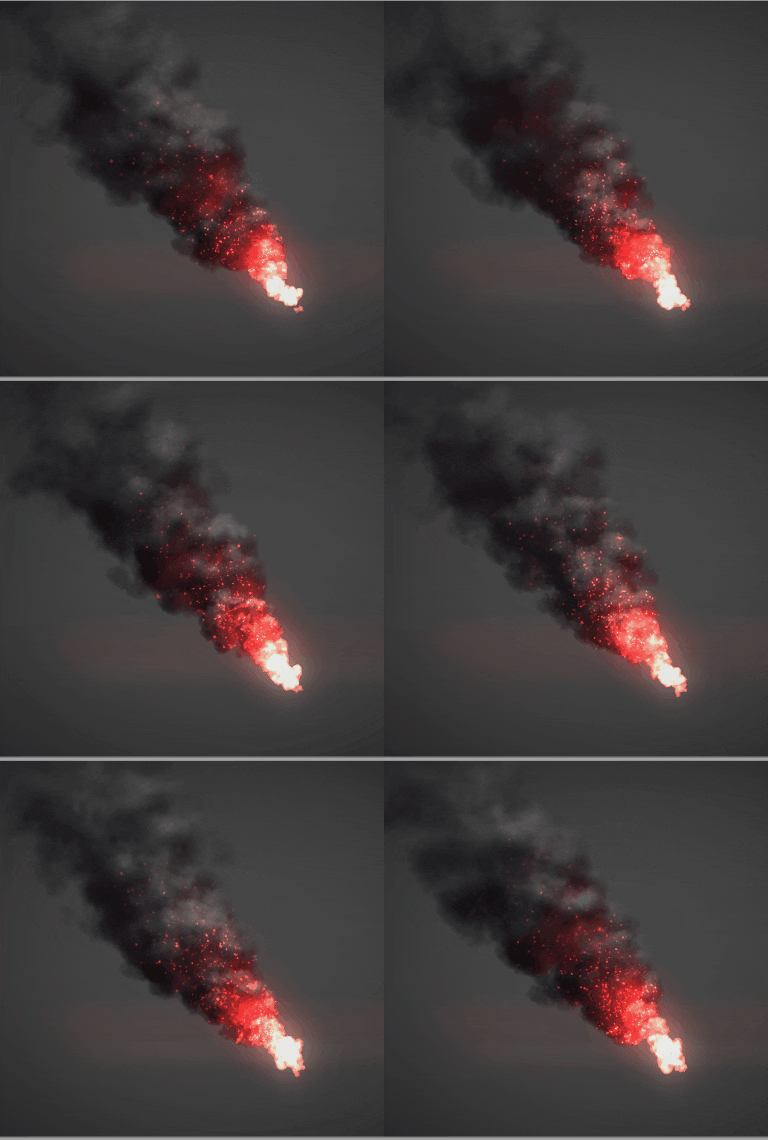
These gifs are TOOOOO good for info commercial’s in the late 90s’/early 2000s’
Stuff happen, so when it does – it is good to know what to do w/your Kubernetes cluster. The answer is – drum roll please… smoke testing, tahhh-dahhh! This is useful not just when stuff hits the fan, but to see if the known vulnerable features are working properly becuase the goal is to verify the health of the cluster.
Example of smoke tests of the Kubernetes cluster conducted will contain:
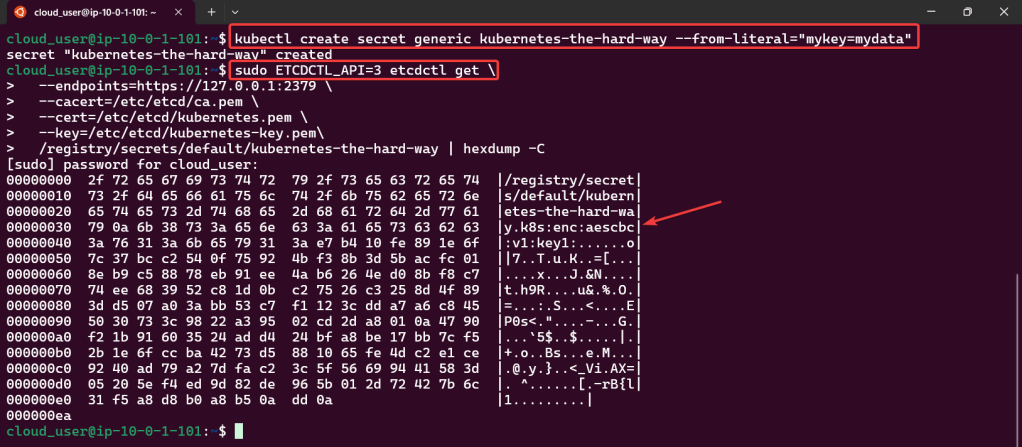
Data Encryption
Deployment
Port Forwarding
Logs
Exec
Services
Lessons Learned:
Cluster Data Encryption
Deployments Work
Remote Access works w/Port Forwarding
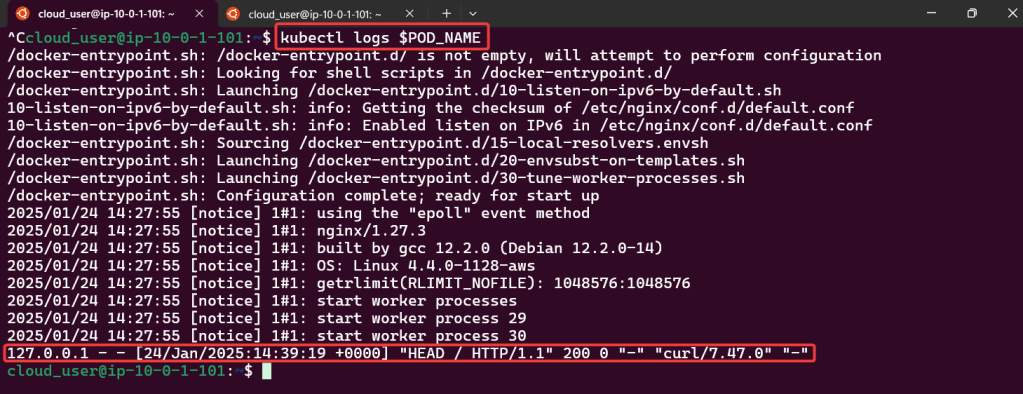
Access Container Logs w/Kubectl Logs
Execute Commands inside the Container
Services Work
Cluster Data Encryption:
Create test data for secret key
Ensure secret key is stored
Deployments Work:
Create & verify deployment
Remote Access works w/Port Forwarding:
Snag that pod name & store in variable
Forward port to nginx pod
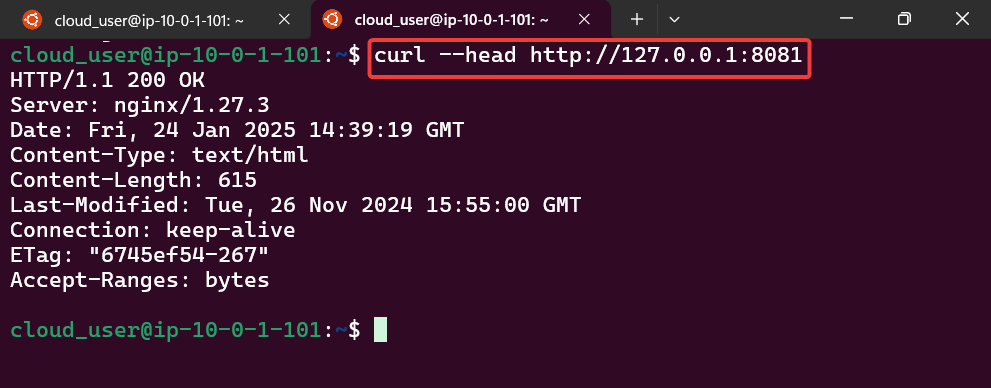
Open new terminal – – – & curl IP address/port
Access Container Logs w/Kubectl Logs:
Get logs from nginx pod
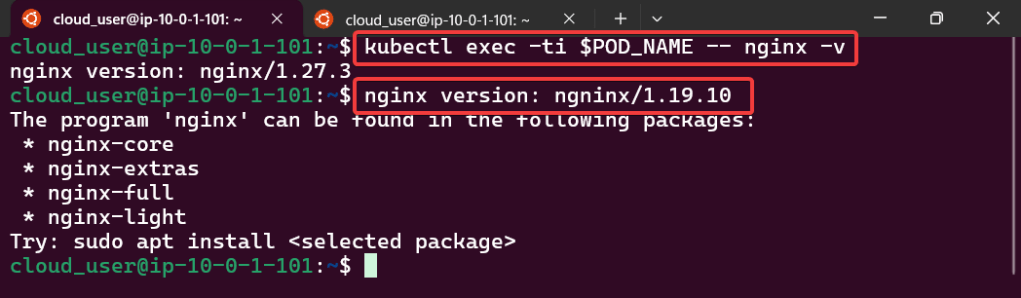
Execute Commands inside the Container
Confirm you can run “exec” command & will see the version
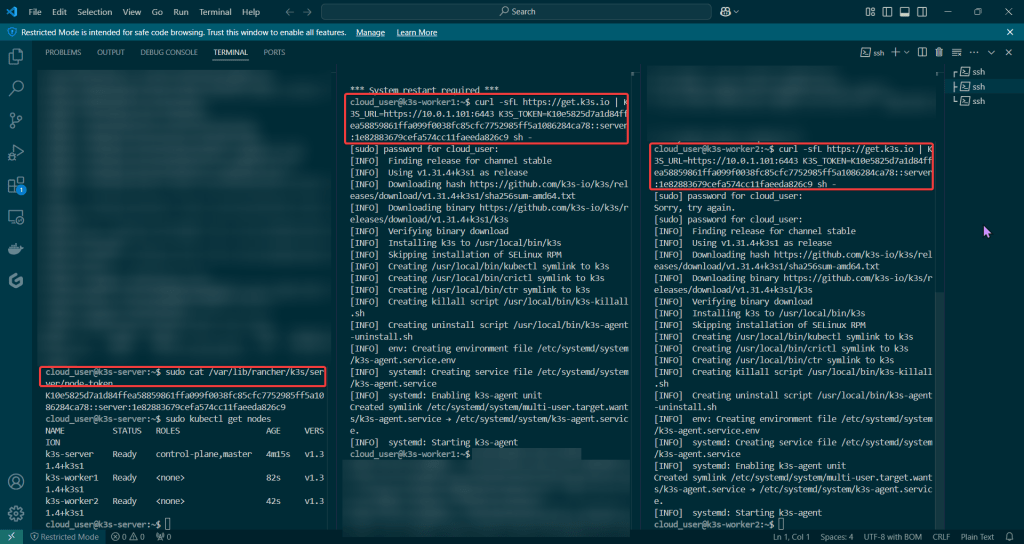
Wanna see how the sausage is made – – – K3 cluster. We’ll bootstrap a K3 cluster, install the K3 on multipler servers, & have it Frankenstein to form a multi-server cluster. Lets get cookin’
Lessons Learned:
Build that K3 server
Install K3 server
List nodes
Get node token
Build two (2) K3 worker nodes
Install K3 on worker node w/private IP address & node tokens
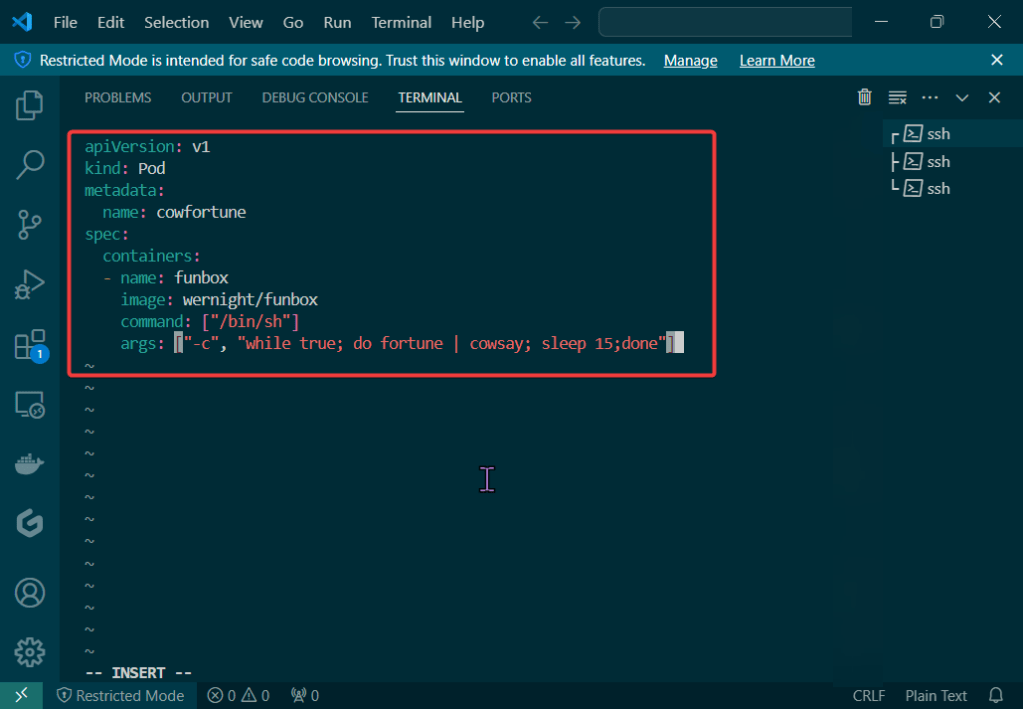
Run on New Cluster
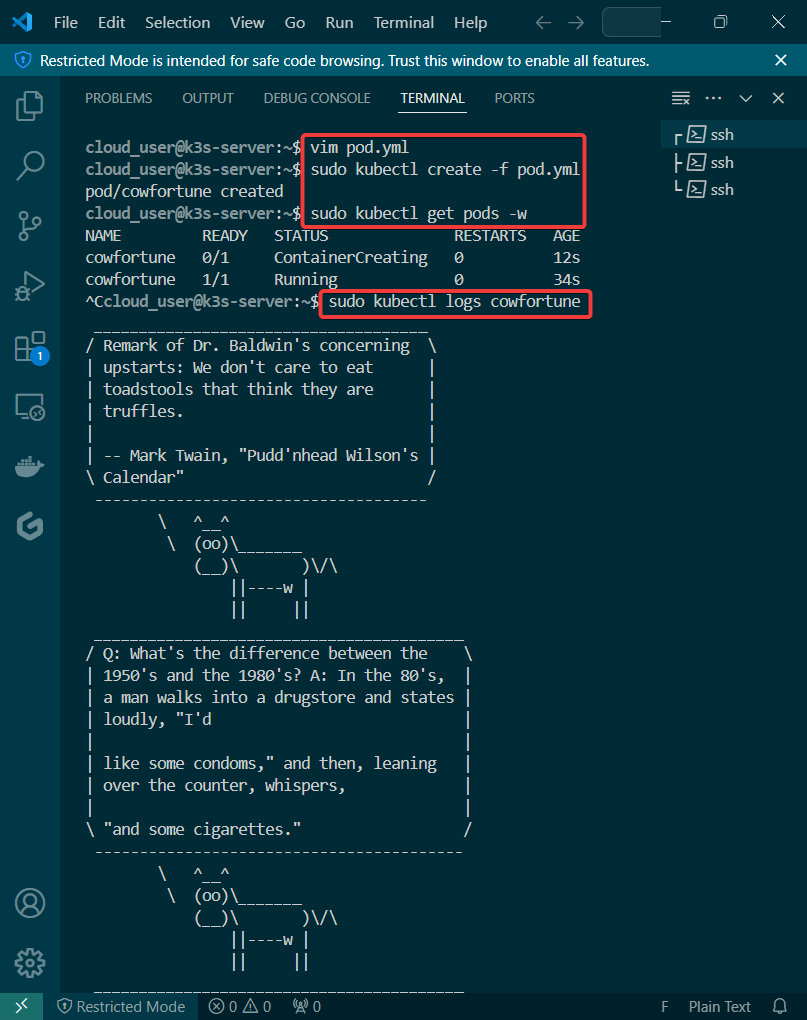
Create pod yaml file
Create, check, & view pod
Build that K3 server:
Install K3 server
List nodes
Get node token
Build K3 worker nodes:
Install K3 on worker node w/private IP address & node tokens:
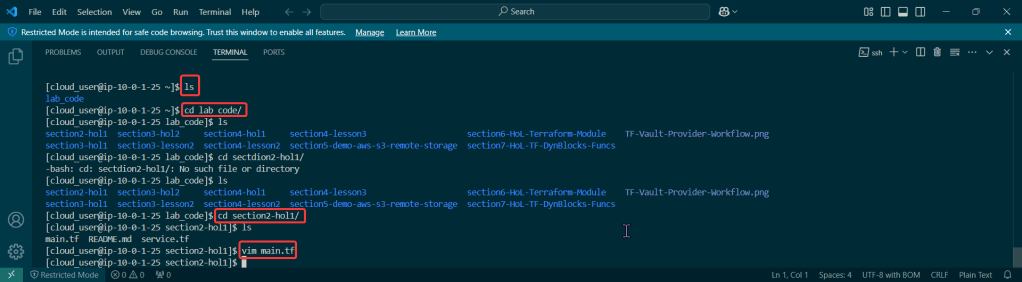
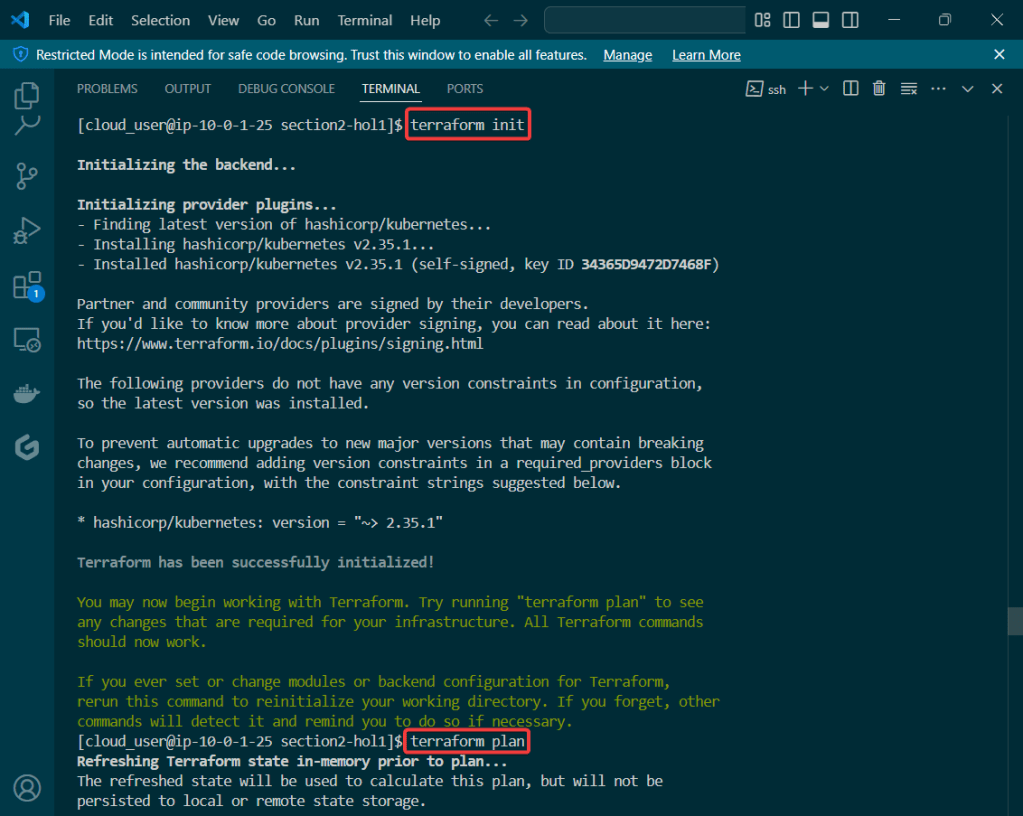
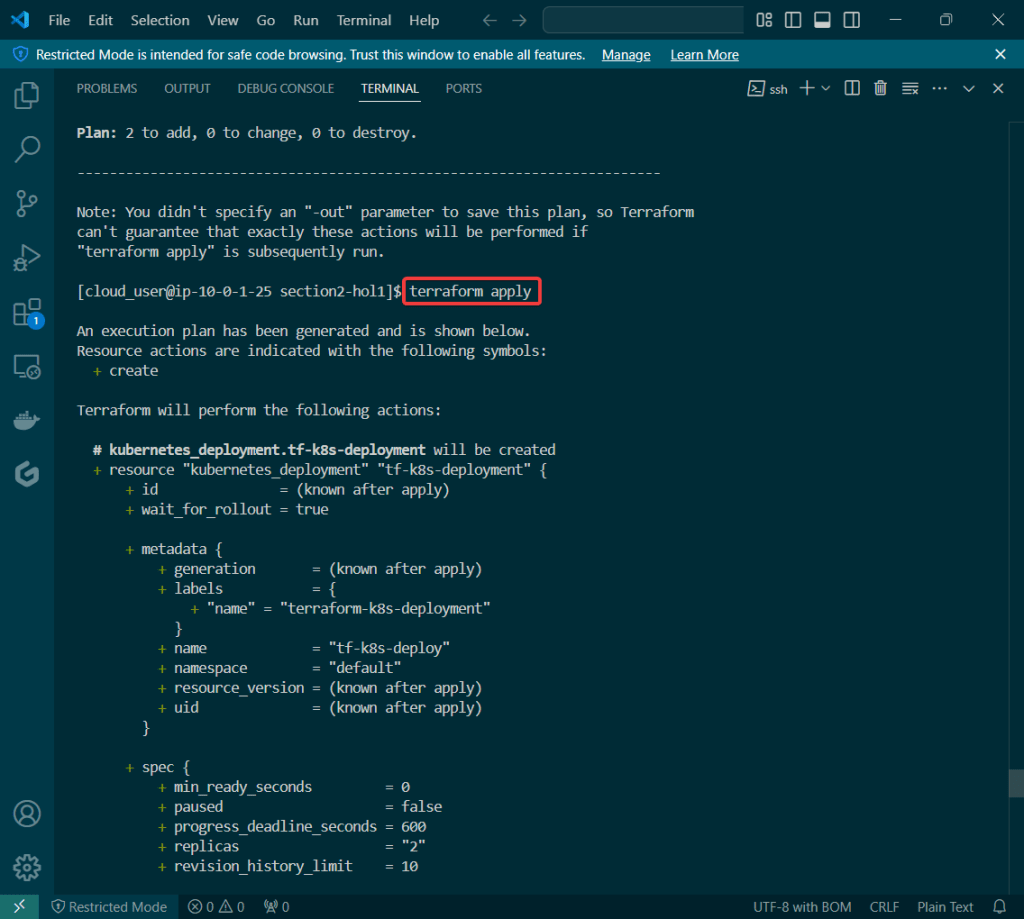
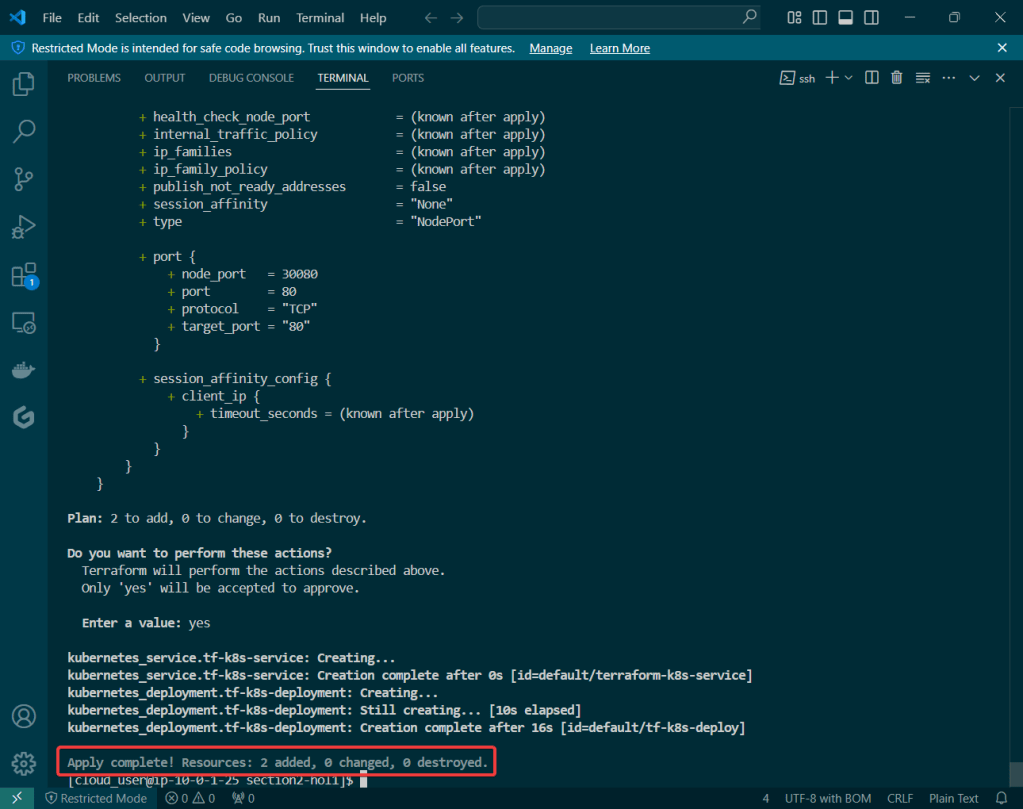
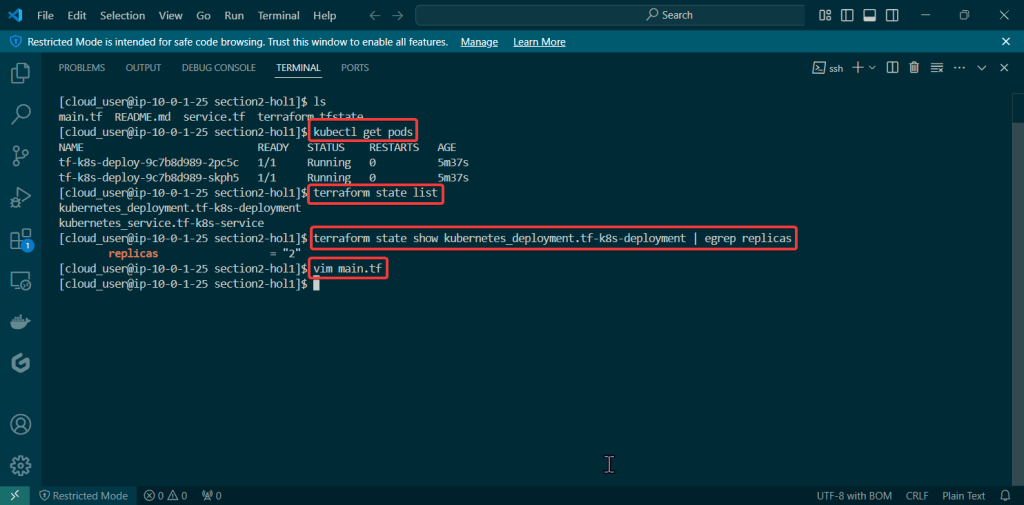
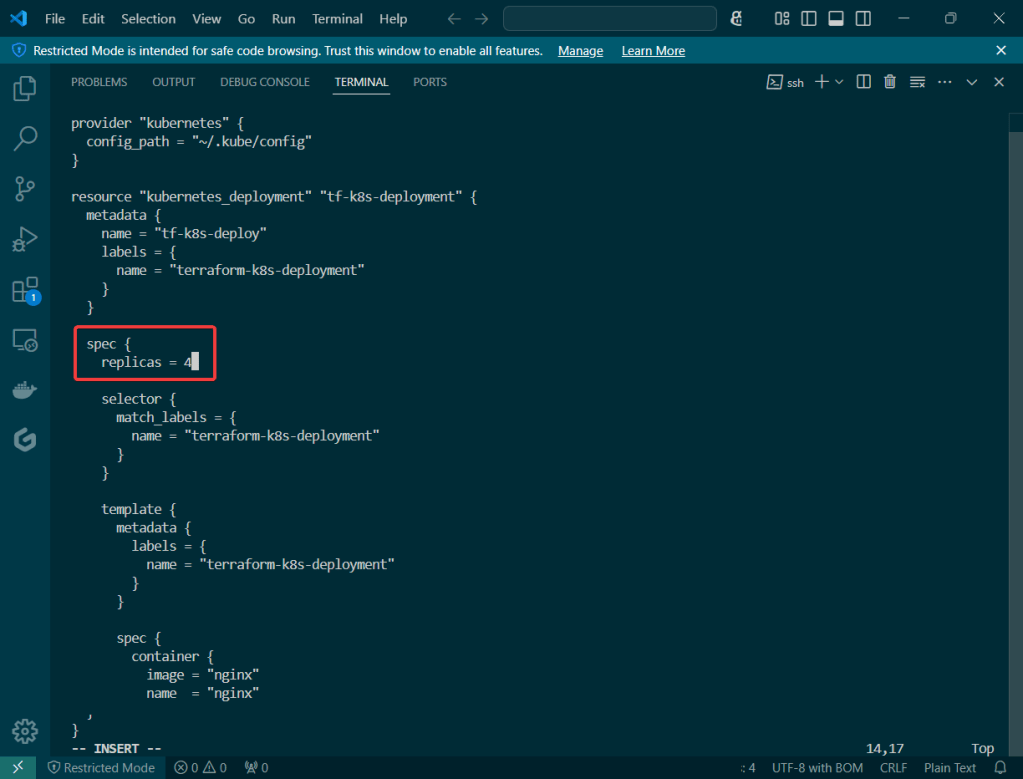
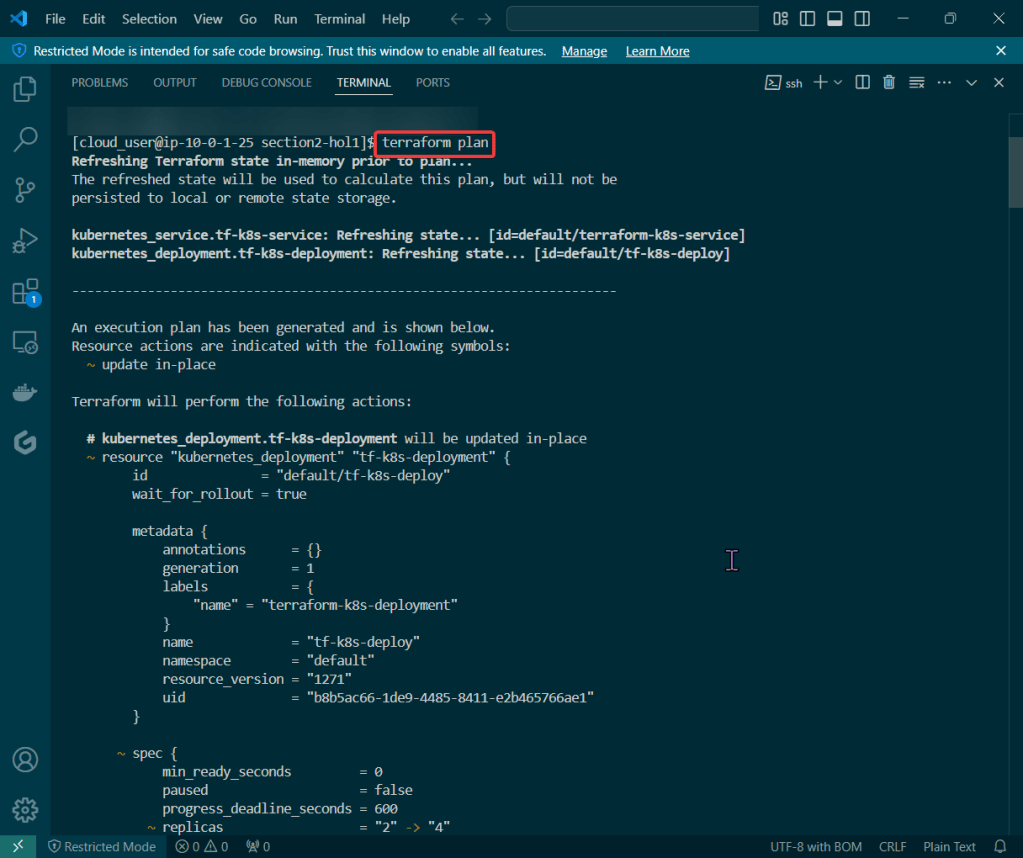
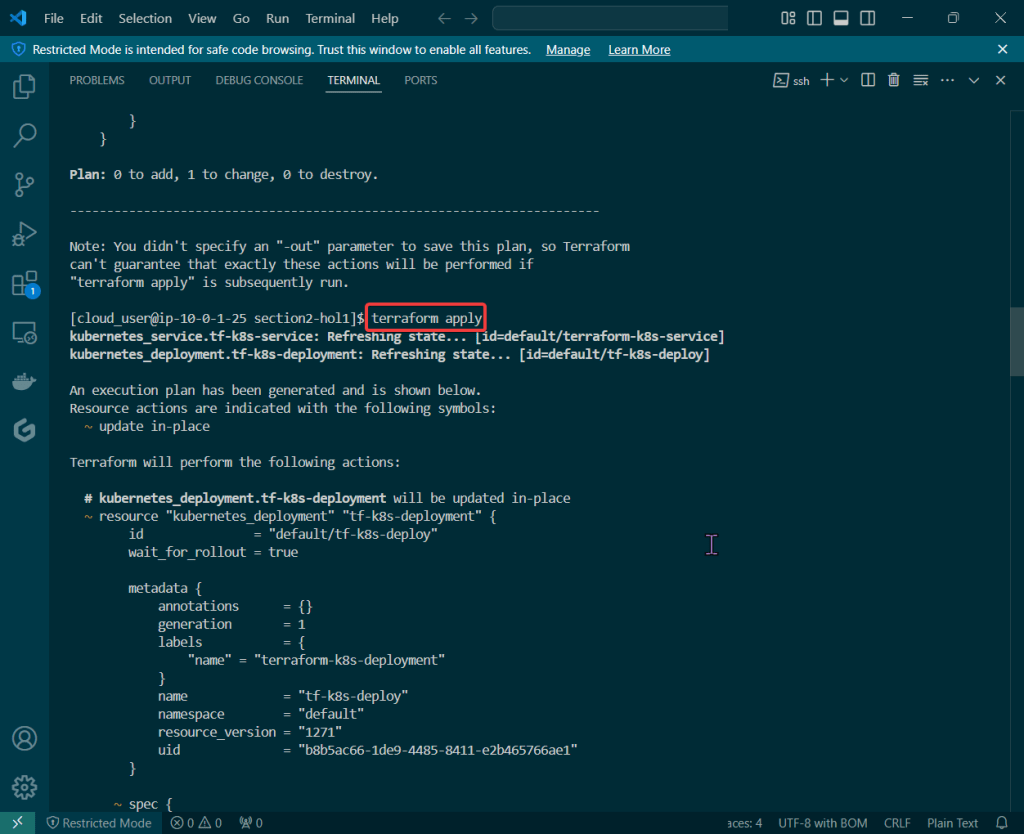
Let’s blend some pimp tools together & launch something into space – cyber space that is. Below is an example to show useful it is to understand Terraform state, deploy resources w/Kubernetes, & see how Terraform maintains the state file to track all your changes along w/deploying containers!

























 Say When..